

Jordan 3 vs. Jordan 4: A Detailed Comparison of Two Legends
До каталогуThe Air Jordan line has produced many iconic models, but it was the Jordan 3 and Jordan 4 that became the foundation of modern sneaker culture. Both silhouettes were designed by Tinker Hatfield, both are considered classics, and both express their wearer's style in their own unique way.
This article will explore the differences between the Jordan 3 and Jordan 4 in detail, from their history to comfort, materials, and style. Importantly, we're not picking a winner. Instead, we'll highlight the strengths of both models so you can make an informed choice.
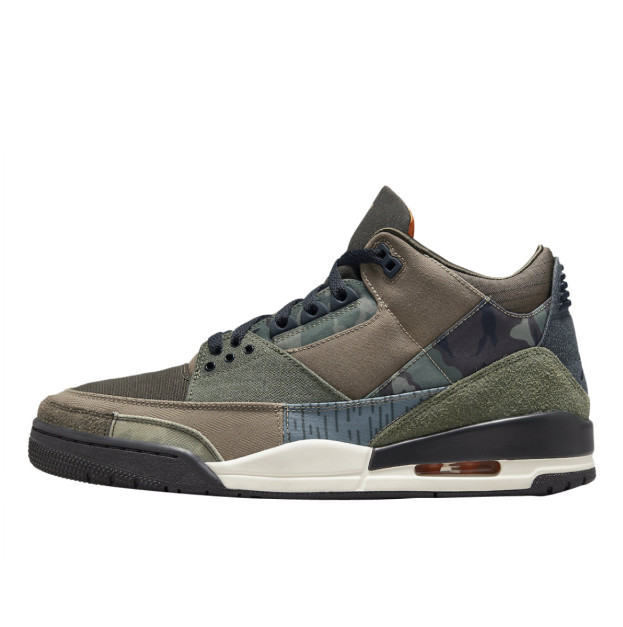
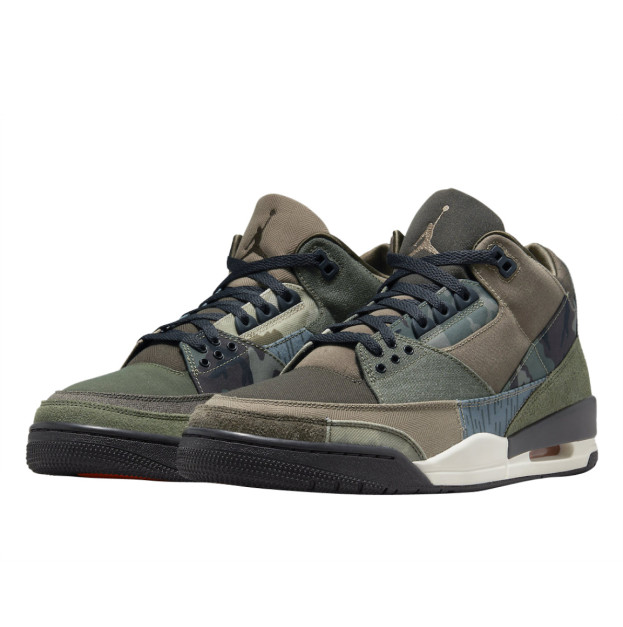
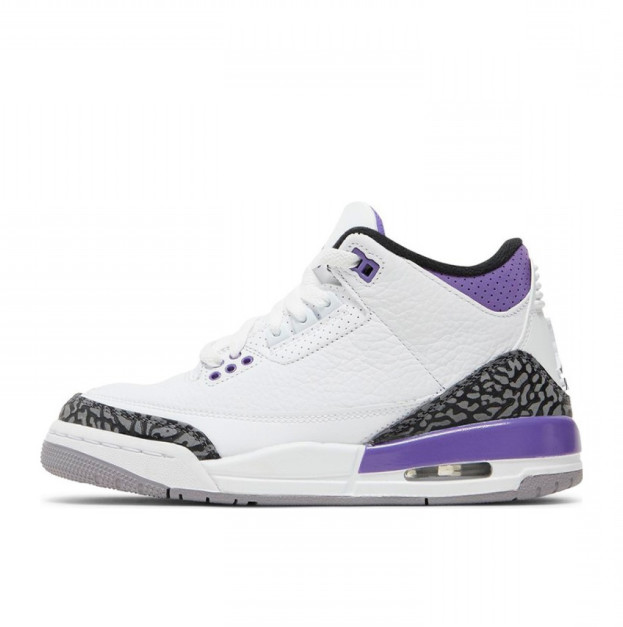
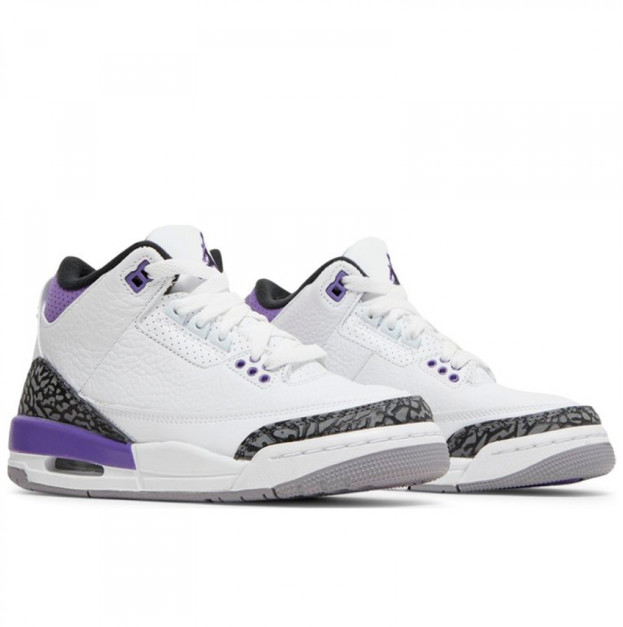
Jordan 3: The Model That Changed Air Jordan Forever
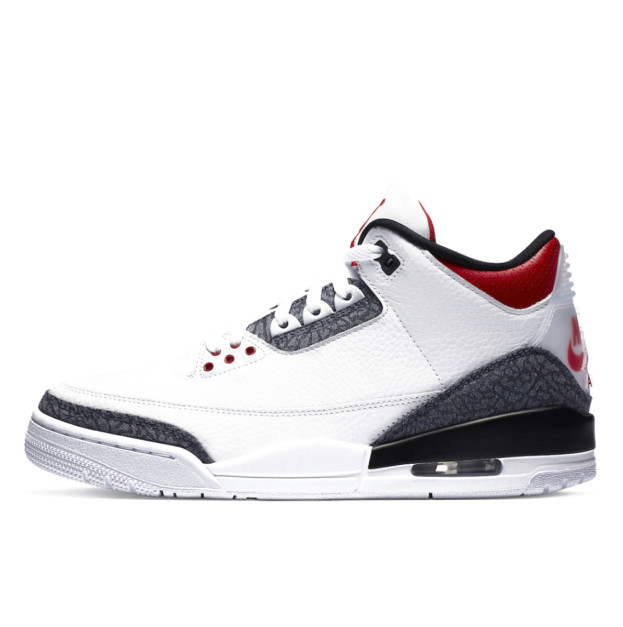
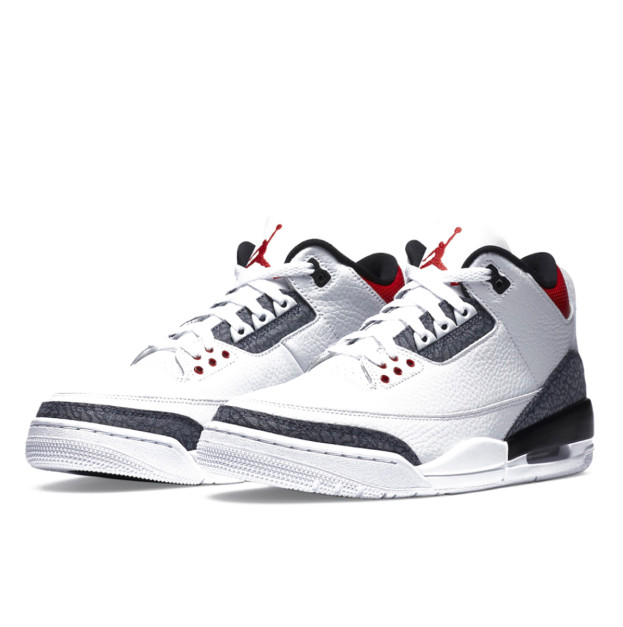
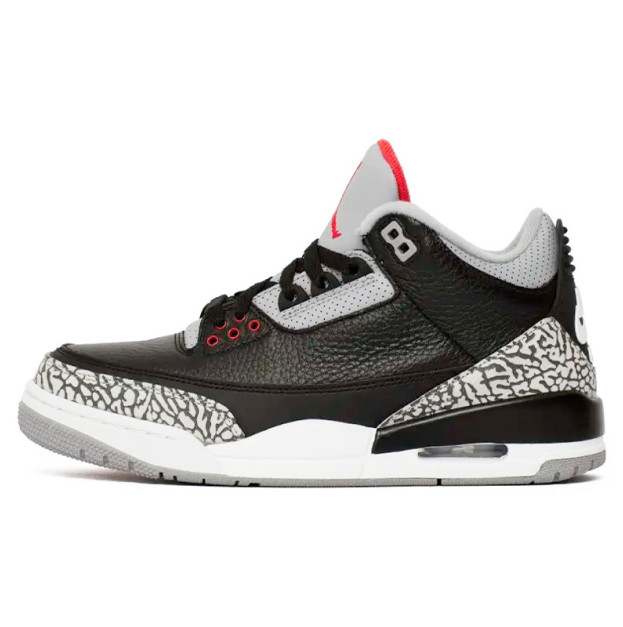
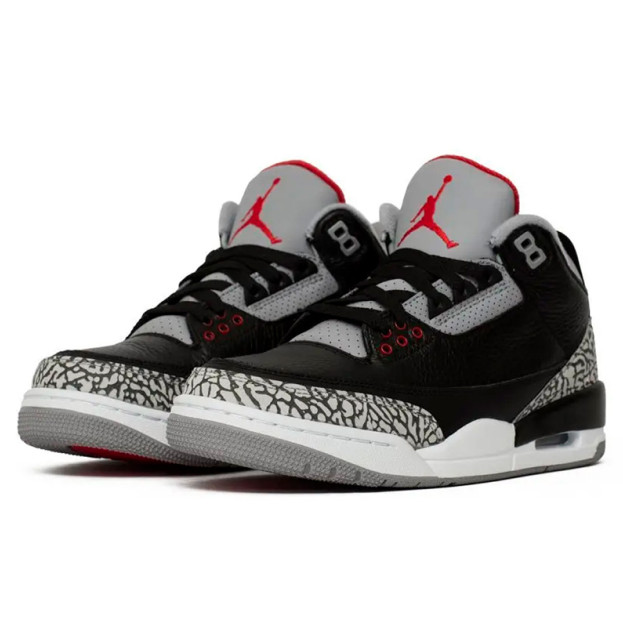
In 1988, Nike introduced Jordan 3 , the shoe that kept Michael Jordan from defecting to a competitor.
This model was revolutionary for several reasons:
- For the first time in the line, a visible Air chamber appeared in the sole;
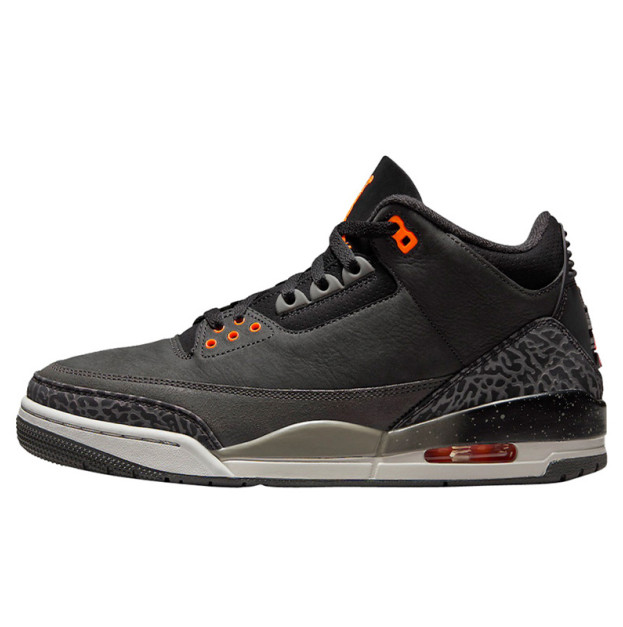
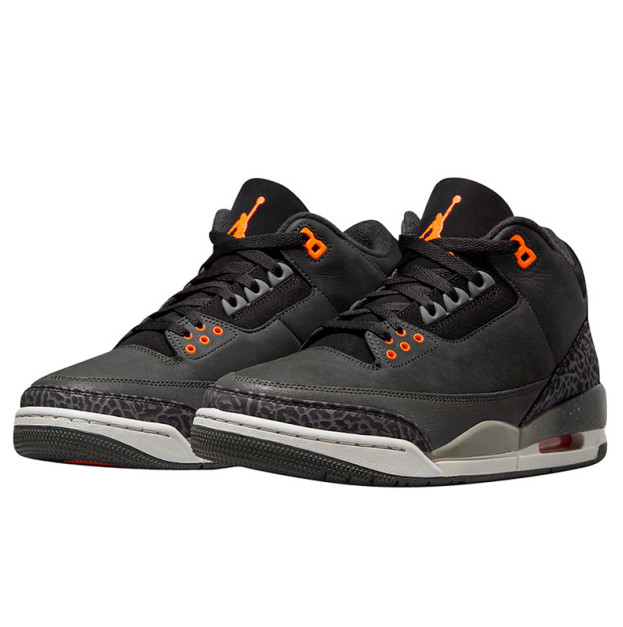
- Tinker Hatfield developed a new visual style with elephant print;
- The updated Jumpman became the model's signature symbol;
- The silhouette became more premium and modern for its time.
The Jordan 3 instantly gained popularity and became a legend.
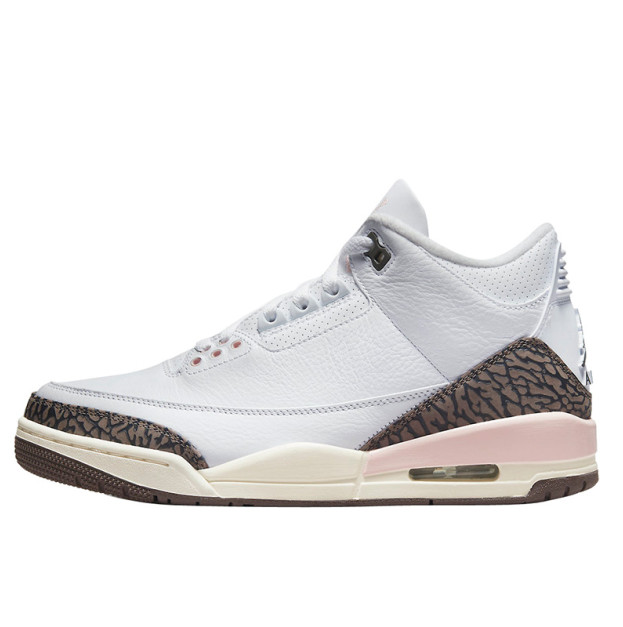
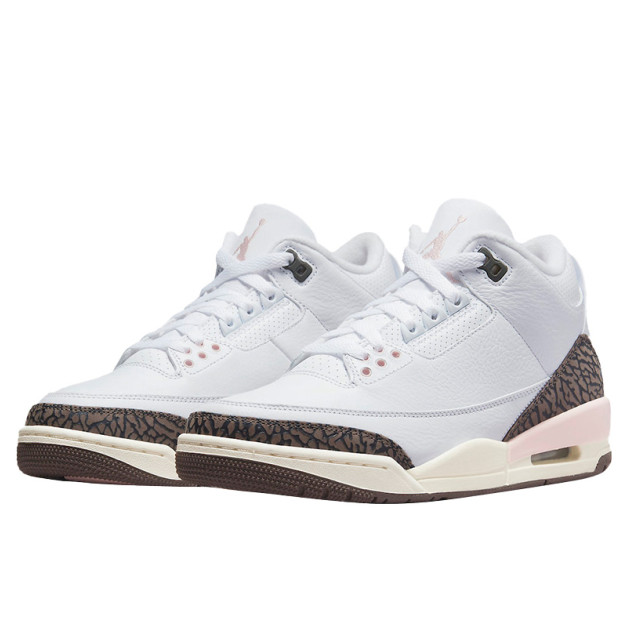
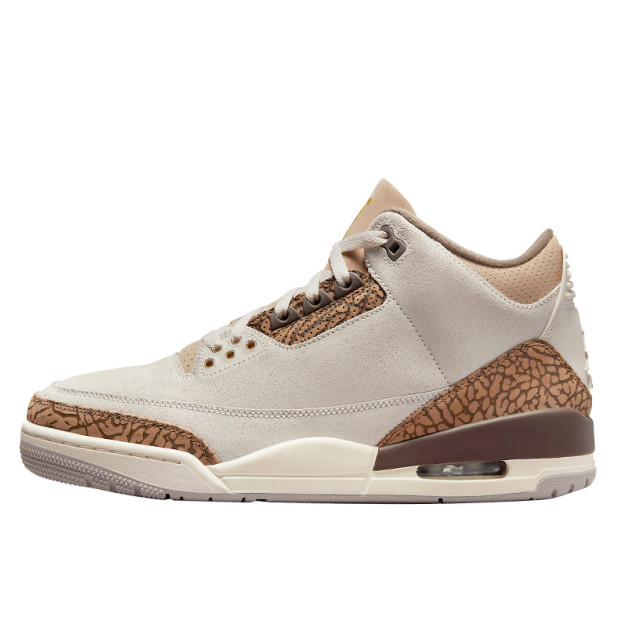
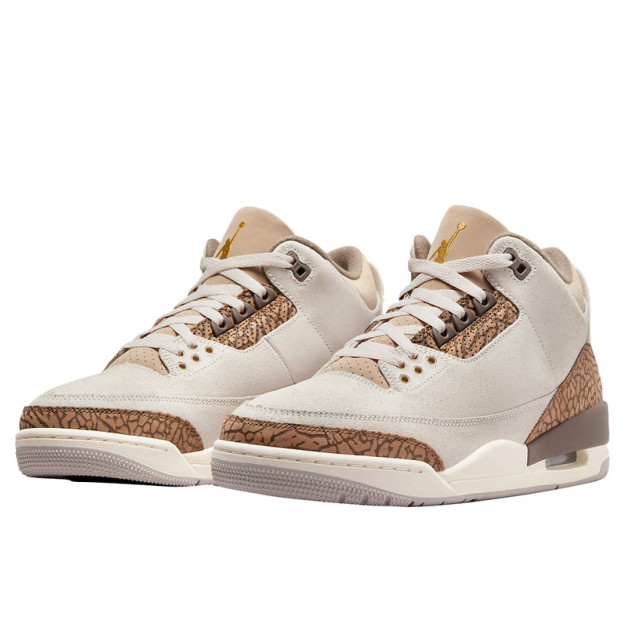
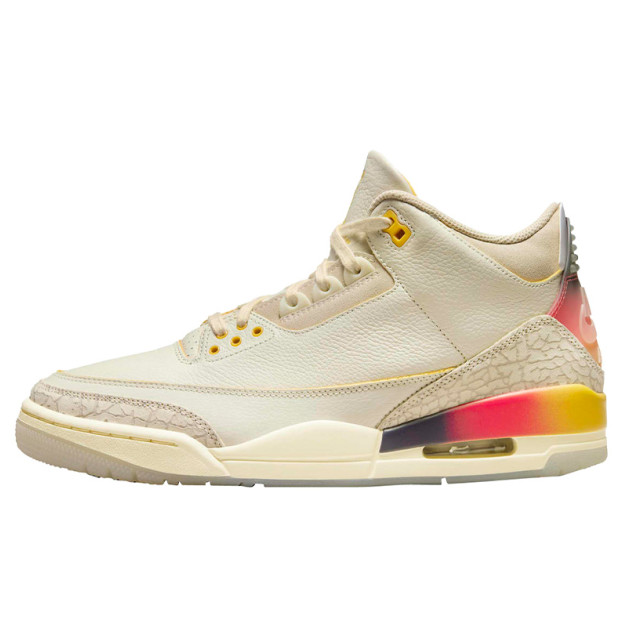
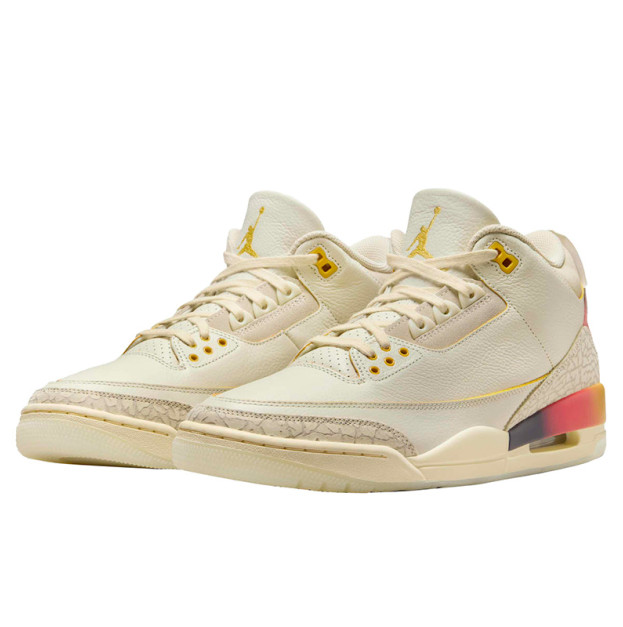
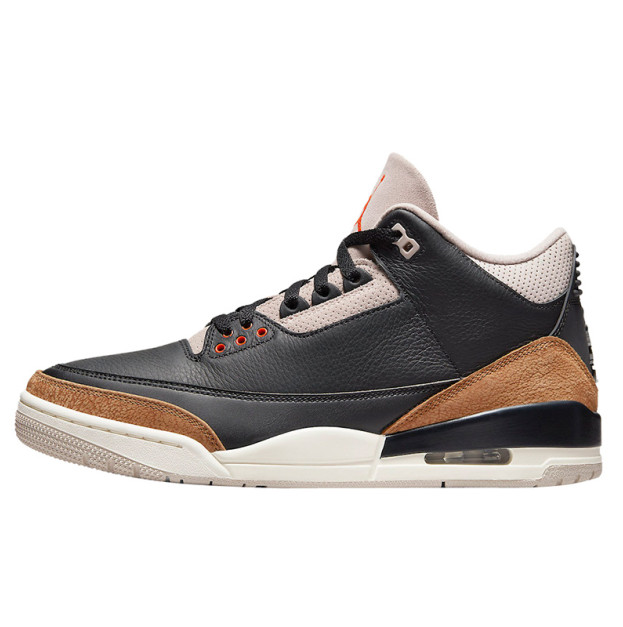
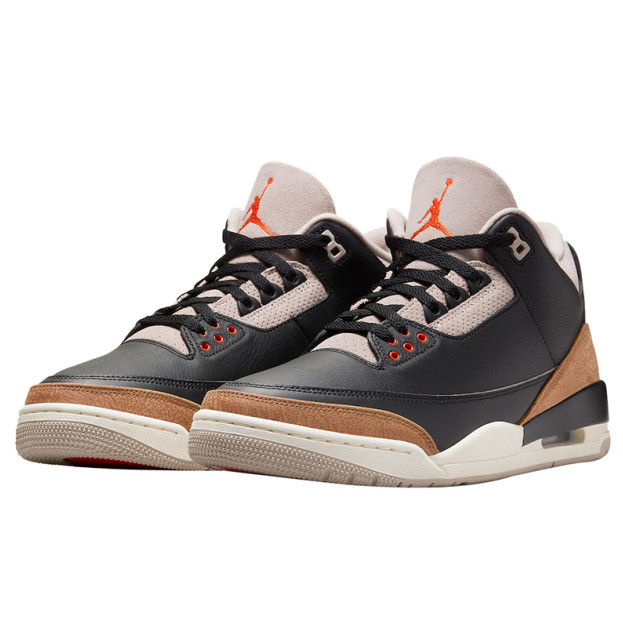
Popular Nike Air Jordan 3
Jordan 4: Technological Evolution
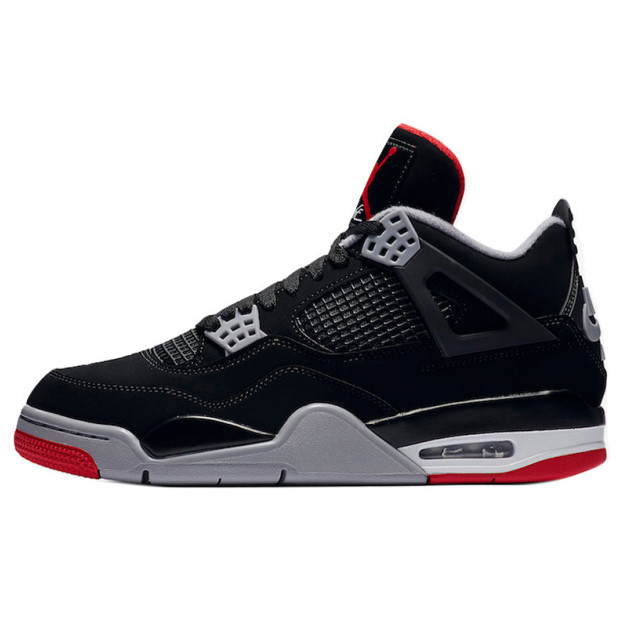
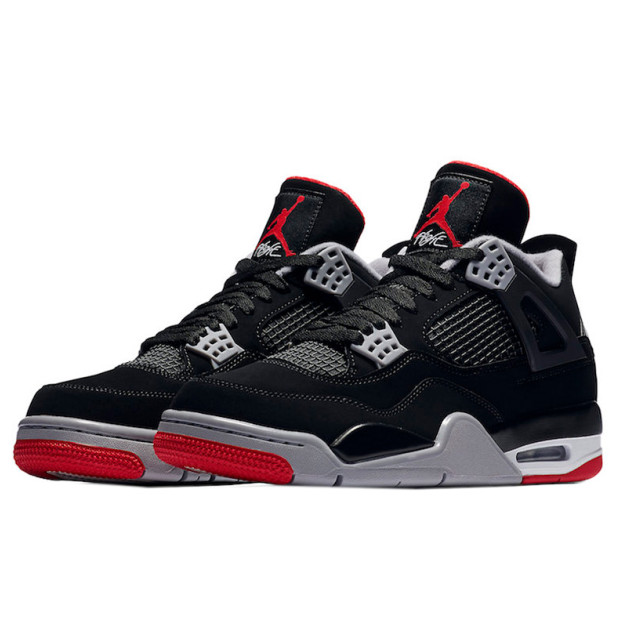
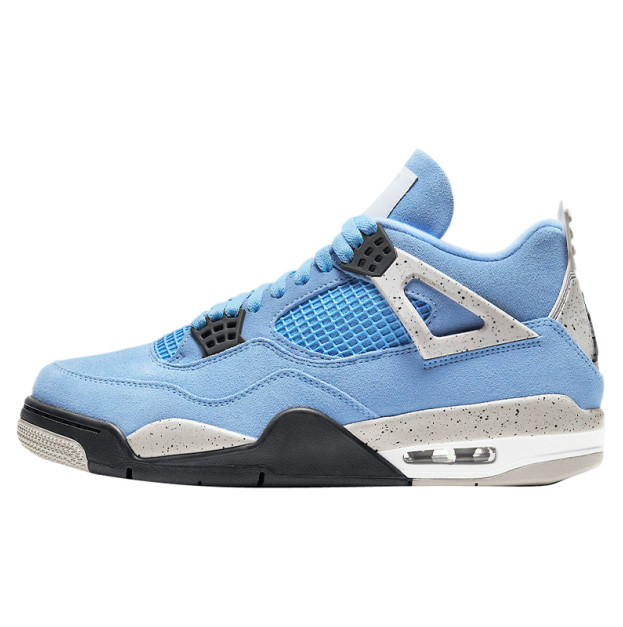
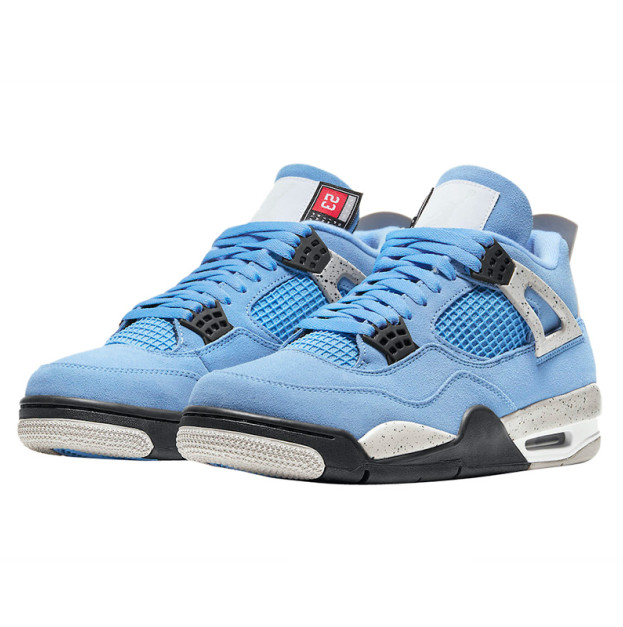
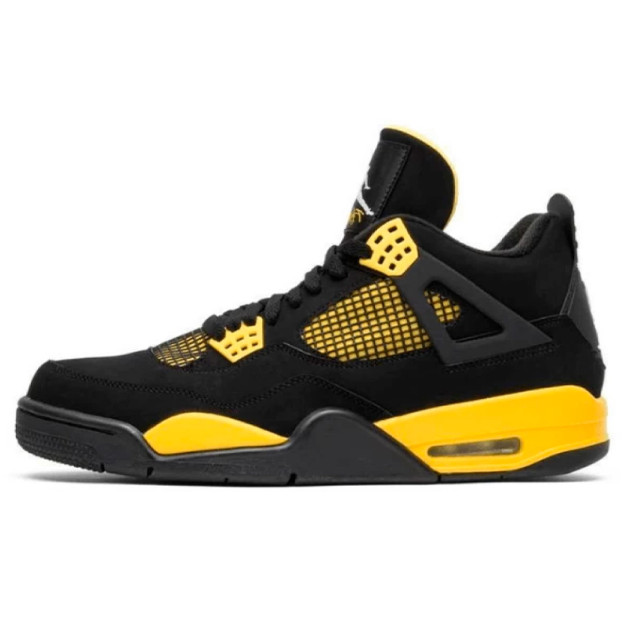
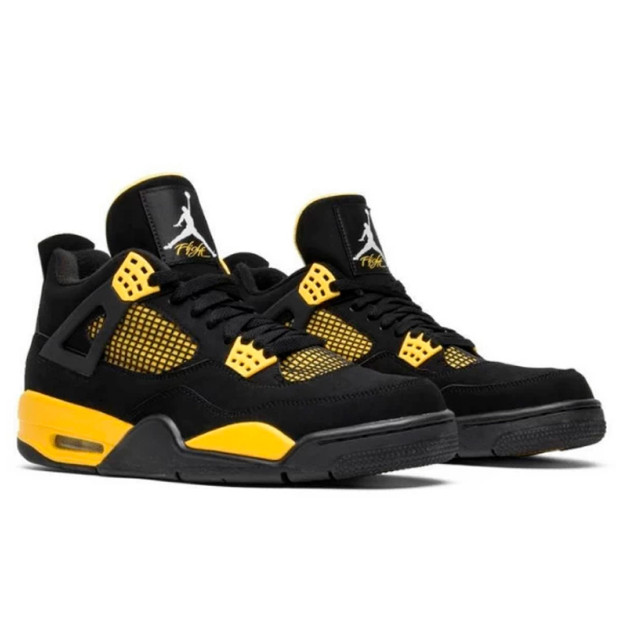
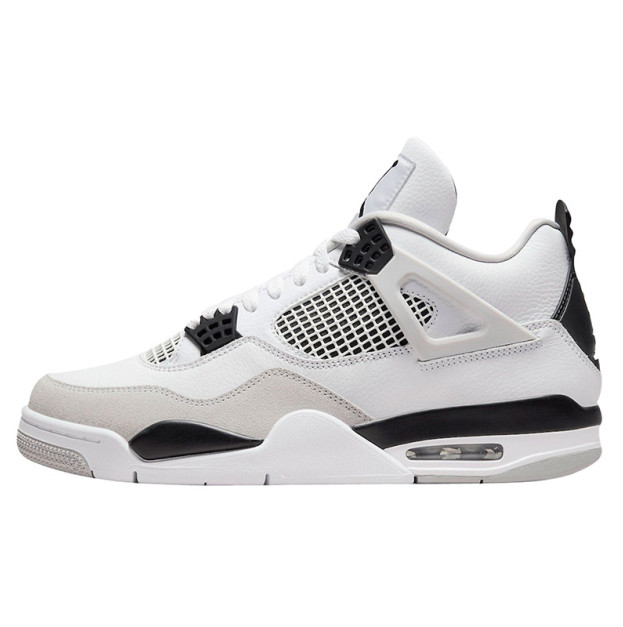
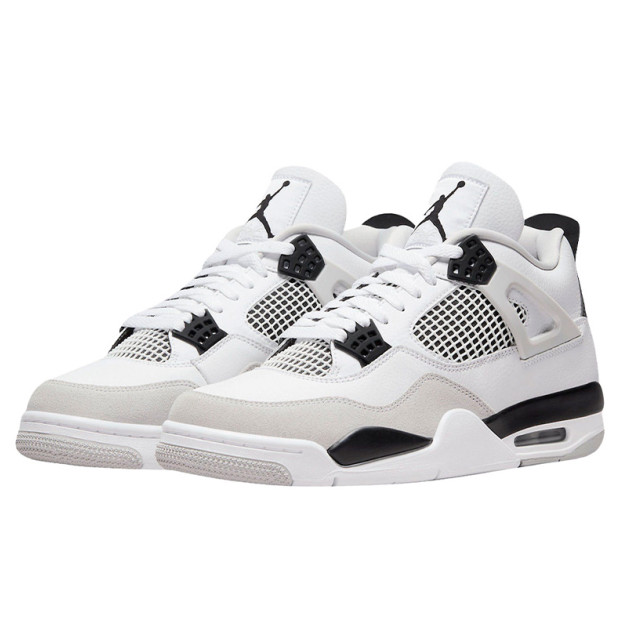
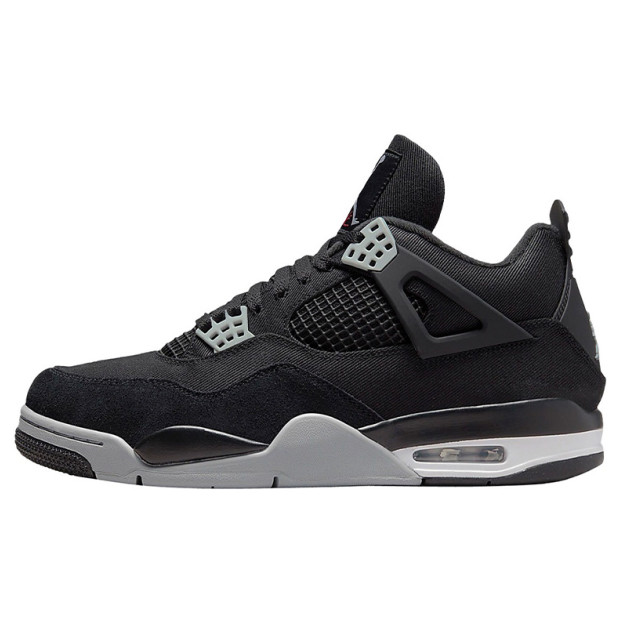
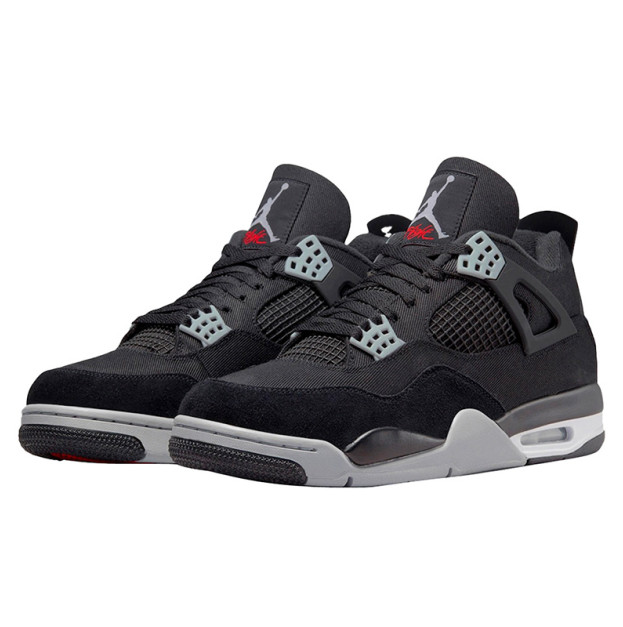
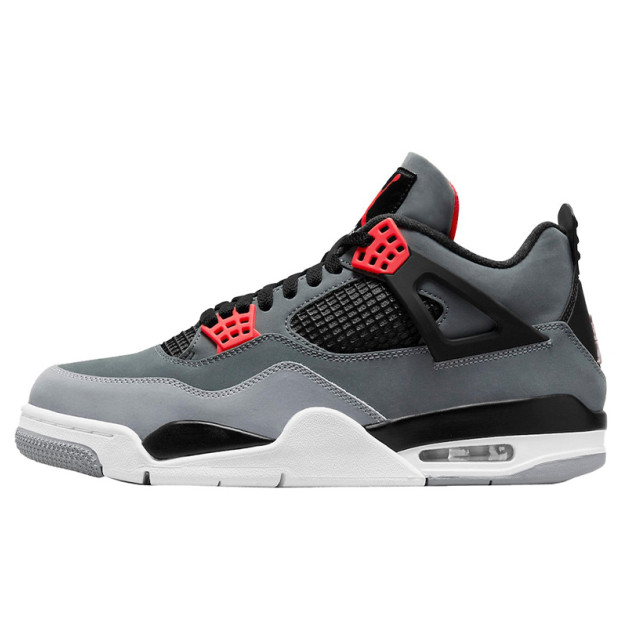
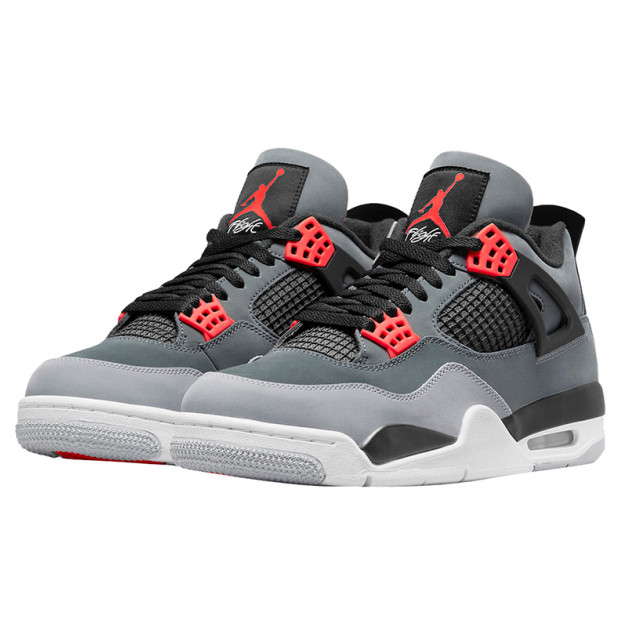
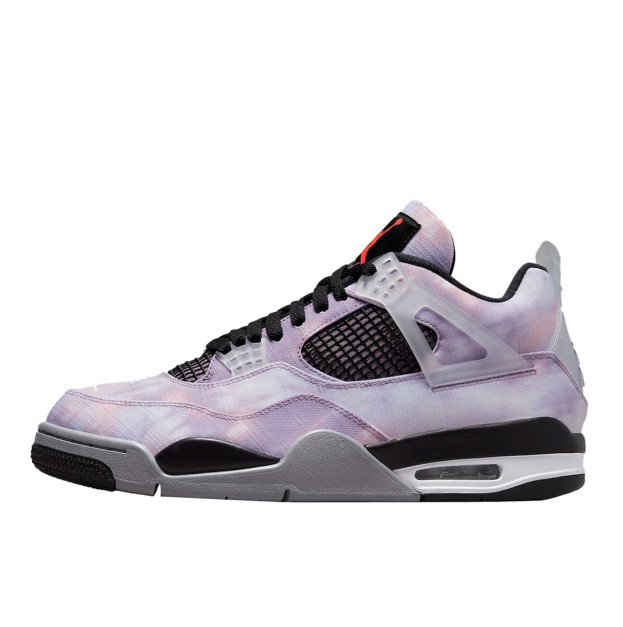
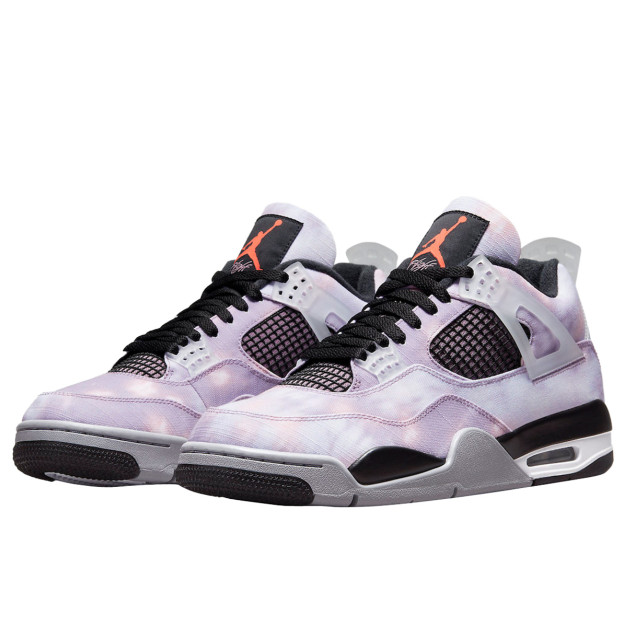
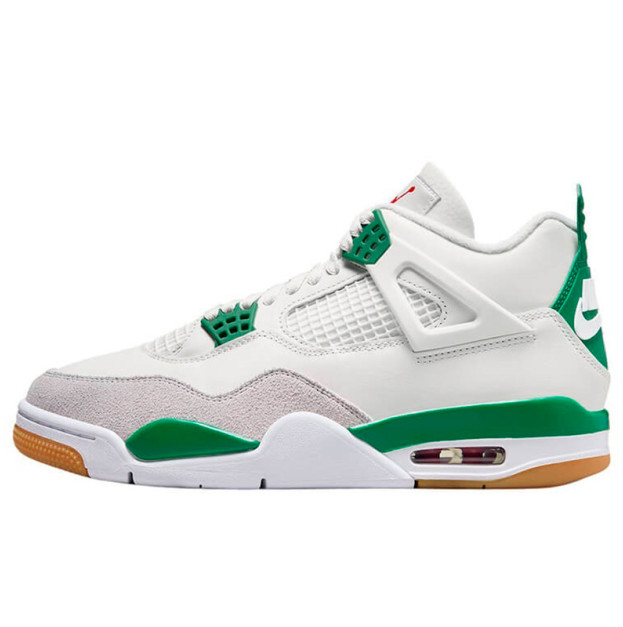
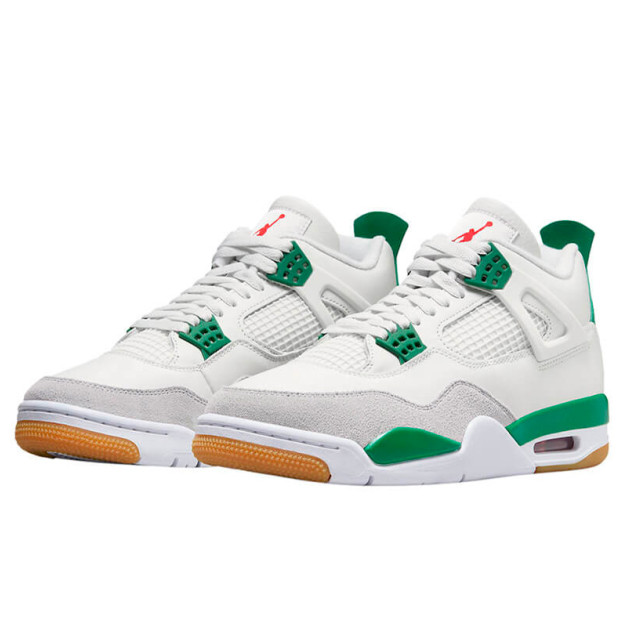
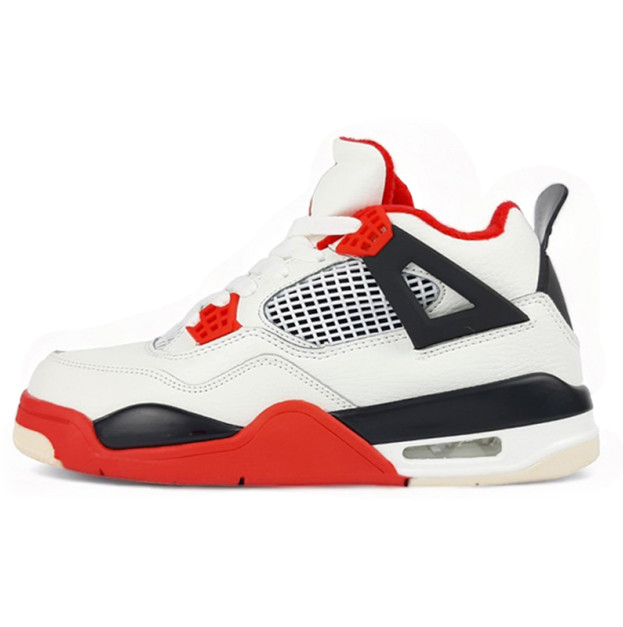
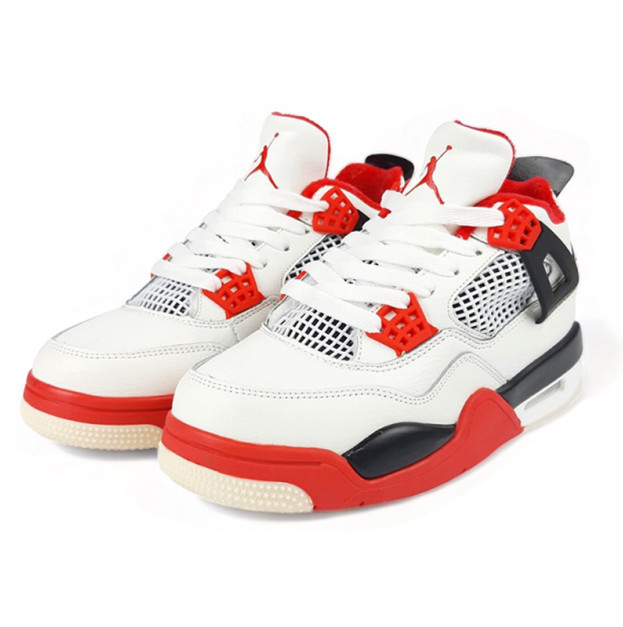
A year later, in 1989, Hatfield introduced Jordan 4 – not just a continuation, but a full-fledged technical leap:
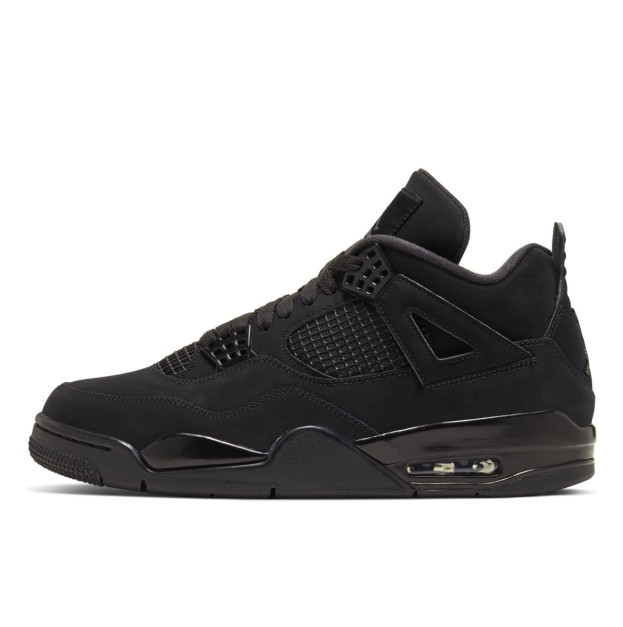
- Mesh inserts improve ventilation;
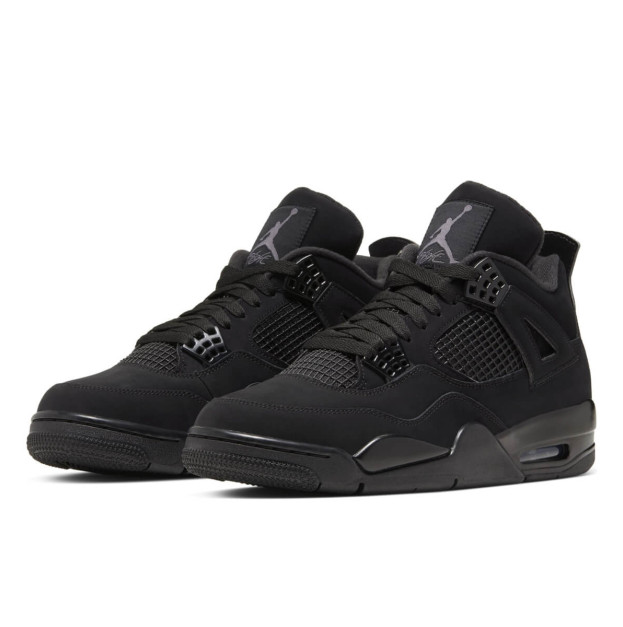
- The famous fixation wings made it possible to customize the fit;
- the silhouette became multi-layered, more “architectural”;
- The design has become more aggressive and dynamic.
The Jordan 4 instantly became a favorite among basketball players, collectors, and those who love expressive street style.
Popular Nike Air Jordan 4
Design and visual perception
The Jordan 3 and Jordan 4 feature noticeable differences in silhouette architecture, which impacts both the style and how they play with clothing.
| Element | Jordan 3 | Jordan 4 |
|---|---|---|
| Silhouette | Round, solid | Technical, multi-layered |
| Materials | Leather + elephant print | Leather/nubuck + mesh |
| Details | Minimalism | Many elements, fixation wings |
| Image | Dense, premium | Sporty, dynamic |
The Jordan 3 is versatile, understated, and seamlessly integrates into any look. The Jordan 4 is more expressive and perfect for those looking to add character to their style.
Softness and stability vs. fixation and ventilation
The Jordan 3 feels softer and more comfortable, especially in the heel, thanks to its denser cushioning and overall stability. This model is well-suited for everyday wear: it distributes pressure evenly, doesn't overload the foot, and remains comfortable even during long walks. Those with wider feet especially appreciate the Jordan 3—its roomier fit and soft support create a balanced, relaxed feel without pinching or requiring a long break-in period.
The Jordan 4, on the other hand, offers a more snug, athletic fit. Signature lacing wings provide enhanced lockdown, and mesh inserts significantly improve ventilation—the foot breathes better than the 3-inch shoe. The shoe is suitable for normal to narrow feet, thanks to its narrower, more structured construction. Jordan 4s are preferred by those who value support and control: they are less cushioned, but offer confident stability and a more technical feel thanks to the sophisticated geometry of the upper.
Materials and Construction: What's the Difference Between the Jordan 3 and Jordan 4?
Despite sharing a premium Air Jordan lineage, the third and fourth models differ significantly in materials, feel, and visual design. The Jordan 3 emphasizes classic premium appeal and a monolithic silhouette, while the Jordan 4 offers a more technical, layered approach with improved ventilation. The chart below clearly highlights the key differences.
Choose your Air Jordans!
Materials and quality of workmanship
| Characteristic | Jordan 3 | Jordan 4 |
|---|---|---|
| Basic materials | Thick leather, premium leather | Leather, nubuck or suede + mesh inserts |
| Brand elements | Elephant print creates texture | Fixation wings, mesh, multi-layered parts |
| Appearance of the top | Monolithic, integral, neat | Technical, multi-component, visually complex |
| Emphasis in design | Premium and clean silhouette | Technological and structural |
| Practicality of materials | They hold their shape well and are easy to care for. | The mesh provides ventilation, but gets dirty faster. |
Iconic Jordan collaborations and iconic models
Air Jordans have long transcended the confines of basketball shoes and become a fully-fledged cultural and fashion icon. One of the reasons for their popularity is collaborations with famous celebrities, designers, and brands, who create unique and limited edition versions of the sneakers.
Jordan 3 was not left out:
- The Jordan 3 x J Balvin is a vibrant, rainbow colorway that has become a hit among music fans and sneakerheads;
- The Fragment x Jordan 3 is a minimalist and clean-cut model that has become a cult favorite among collectors;
- Limited editions dedicated to Michael Jordan and legendary NBA moments continue to be in demand.
Jordan 4 traditionally attracts attention with collaborations:
- Travis Scott x Jordan 4 is one of the most recognizable and hyped pairs of recent years;
- The Off-White x Jordan 4 “Sail” is a fashion-forward version featuring Virgil Abloh’s signature deconstructed design;
- The KAWS x Jordan 4 is an art collaboration with distinctive graphics that is prized by collectors;
- Eminem Encore, Shimmer and other limited editions are also among the top rare and popular models.
These collaborations not only highlight individuality and style, but also often become investment pieces for collectors—their value only increases over time. Even if you don't plan to collect, these pieces are perfect for creating a striking and modern look.
What to wear with Jordan 3
Jordan 3s are ideal for classic streetwear: their clean silhouette complements basics and accentuates the retro vibe. They look great with jeans and cargo pants—the sneakers' rounded shape balances out straight, loose silhouettes. For lovers of pastel and basic outfits, Jordan 3s help create a neat visual balance, and for retro-inspired looks, the shoe itself enhances the desired vibe.
Nike Air Jordan 3
What are the Jordan 4s competing with?
The Jordan 4 shines best in techwear and athletic looks—its technical elements blend seamlessly with a functional style. The model works beautifully with layered looks: the architectural silhouette balances the bold upper. These fours hold their own against vibrant streetwear ensembles and accentuate the dynamic nature of joggers and wide-leg pants, creating a modern and expressive look.
Nike Air Jordan 4
The most interesting and popular Jordan 3 and Jordan 4 models
Over the years, both lines have seen dozens of vibrant colorways and limited editions. Some models have become icons thanks to their history, while others are celebrated for their rarity, collaborations, and unusual materials. Below are the most intriguing options that Jordan fans most often notice.
Popular Air Jordan 3 models
- Air Jordan 3 Retro Black Cat
- Air Jordan 3 Retro Black Cement
- Air Jordan 3 Retro Dark Iris
- Air Jordan 3 Retro Lucky Shorts
- Air Jordan 3 Retro Tinker Hatfield
- Air Jordan 3 Retro White Blue Black
- Air Jordan 3 Retro White Brown
- Air Jordan 3 Retro SE "Fire Red Denim"
- Air Jordan 3 Retro Palomino
- Air Jordan 3 Retro Fear (2023)
Popular Air Jordan 4 models
- Air Jordan 4 RM Black Cat
- Air Jordan 4 RM Black Light Bone
- Air Jordan 4 Retro Off-White Sail
- Air Jordan 4 Retro White Oreo
- Air Jordan 4 Retro Red Thunder
- Air Jordan 4 Retro PSG Paris Saint-Germain
- Air Jordan 4 Retro White Cement (2016)
- Air Jordan 4 Retro Frozen Moments
- Air Jordan 4 Retro Fear Pack
- Air Jordan 4 Retro Canyon Purple
These models clearly show the differences between the lines: the Jordan 3 is more subdued and versatile, while the Jordan 4 is brighter and suitable for more expressive looks.
Where to look and choose your pair
If you're looking for classic simplicity and a retro vibe, check out Jordan 3. Our catalog features the most popular colorways and limited edition models that will accentuate your style and become a versatile staple for any look.
For those who prefer expressive, technical, and dynamic models, Jordan 4 is ideal. In this category, you'll find both iconic OG colorways and hyped collaborations with famous celebrities and brands that will add character to your look.
Browse through the available options, compare colors and designs, try them on with your own eyes—and choose the icon that will become part of your style.