

Air Force 1 Vs Jordan 1: two basic Nike icons reimagined
До каталогуIn the sneaker world, there are some pairs that have long since ceased to be just shoes. The Nike Air Force 1 and Air Jordan 1 are equally recognizable, but they offer different looks and feel. One model grew out of the basketball classics of the early 1980s and became a symbol of pure minimalism, while the other stemmed from the history of Michael Jordan and became the brand's most iconic high-top silhouette.
Below, we'll break down the Air Force 1 vs. Jordan 1 in detail: their origins, upper construction, fit, cushioning, material performance, and how each pair performs in everyday styling. We're not picking a winner: the purpose of this comparison is to give you an idea of what you're getting and which silhouette will fit into your wardrobe without any compromises.
Nike Air Force 1: From Basketball to All-Around Baseball
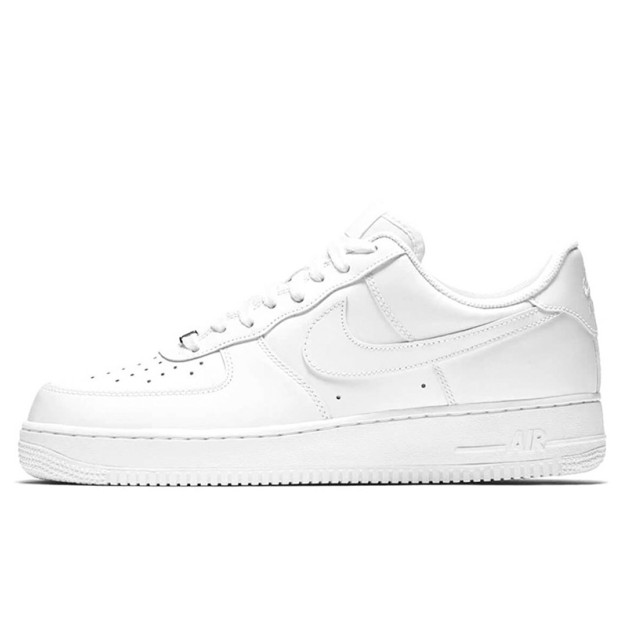
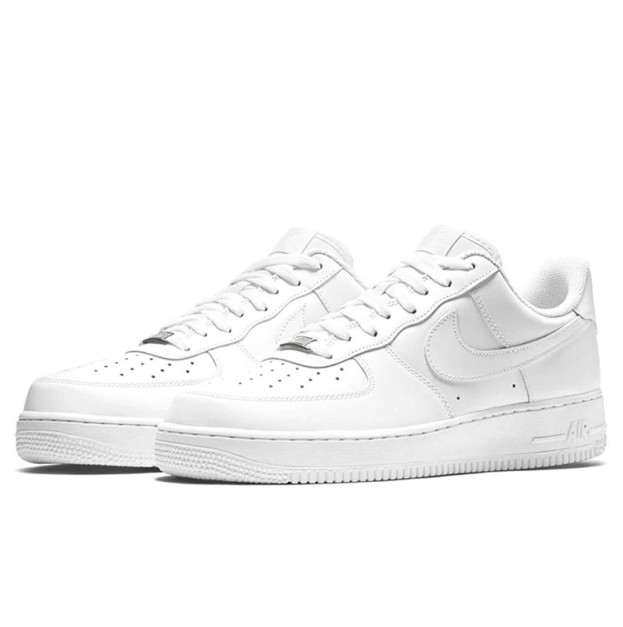
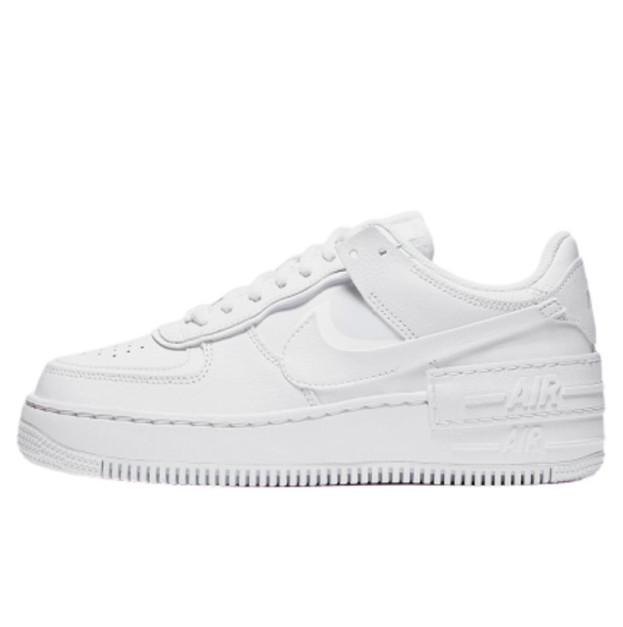
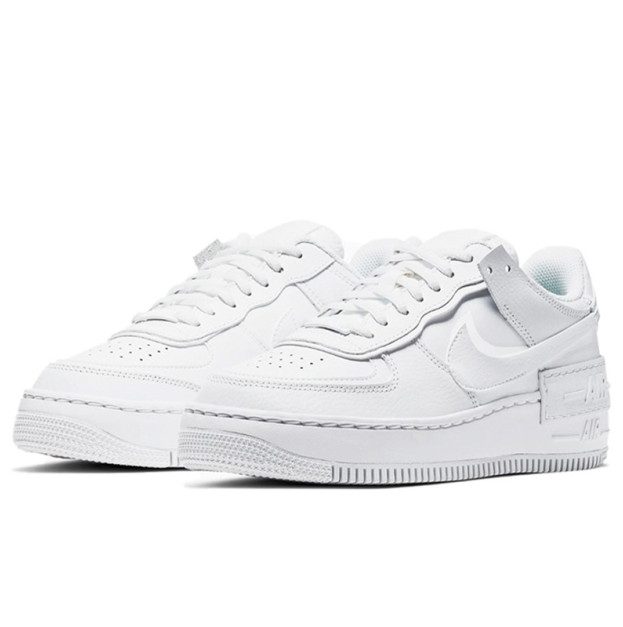
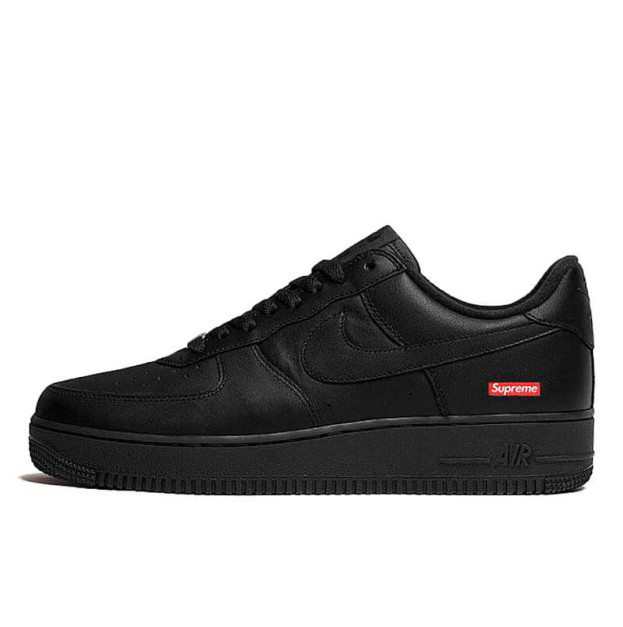
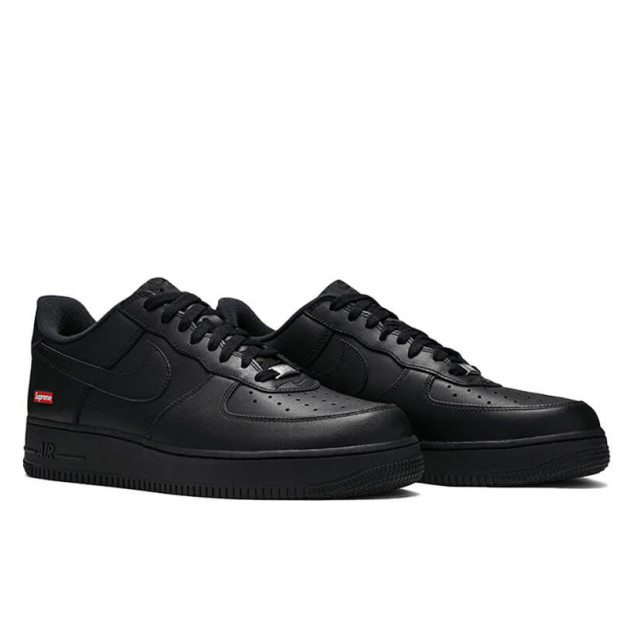
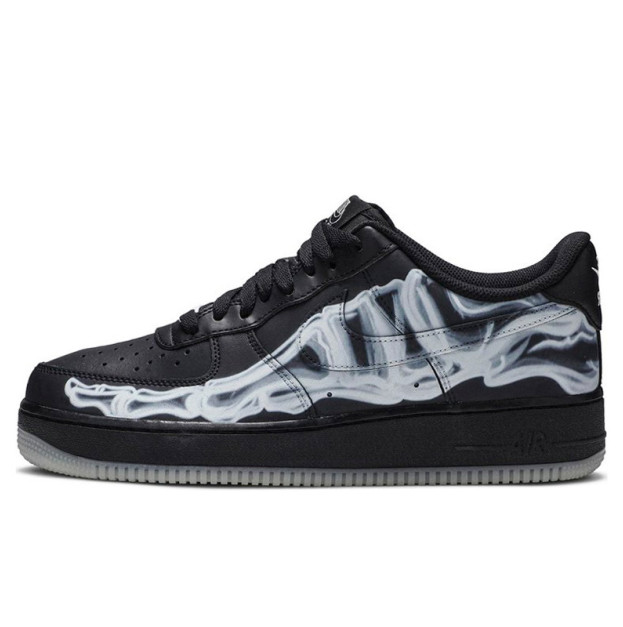
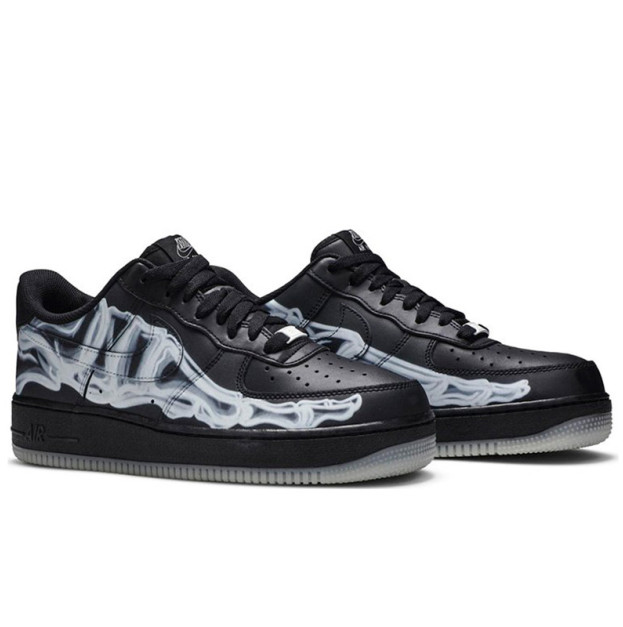
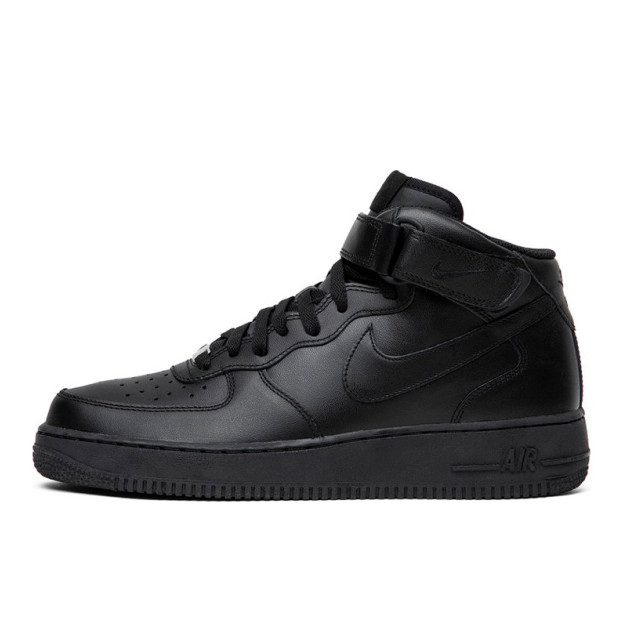
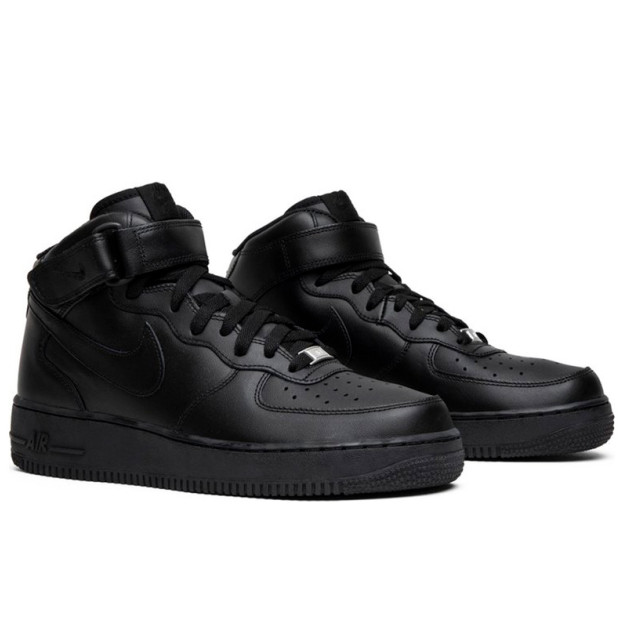
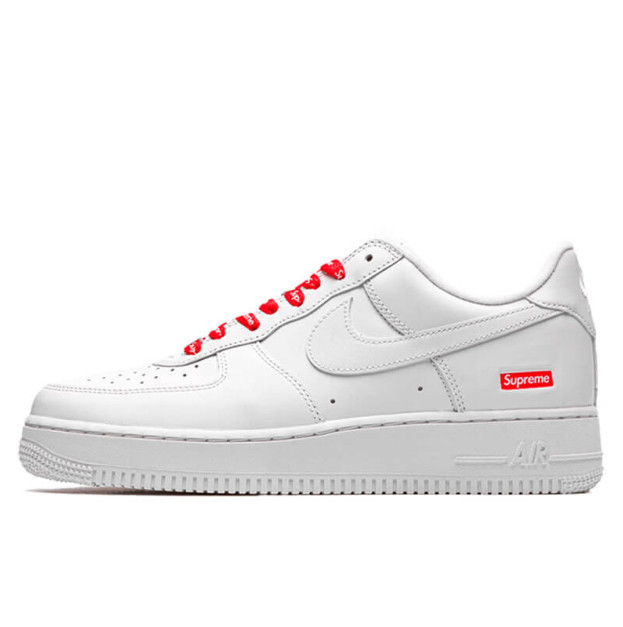
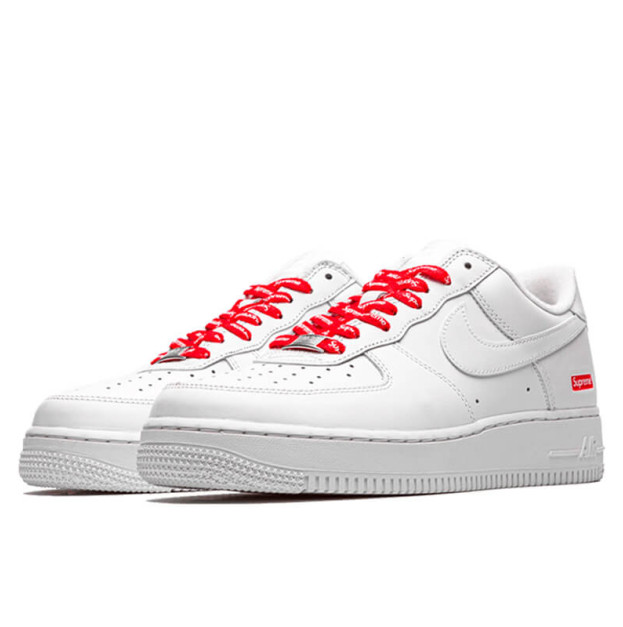
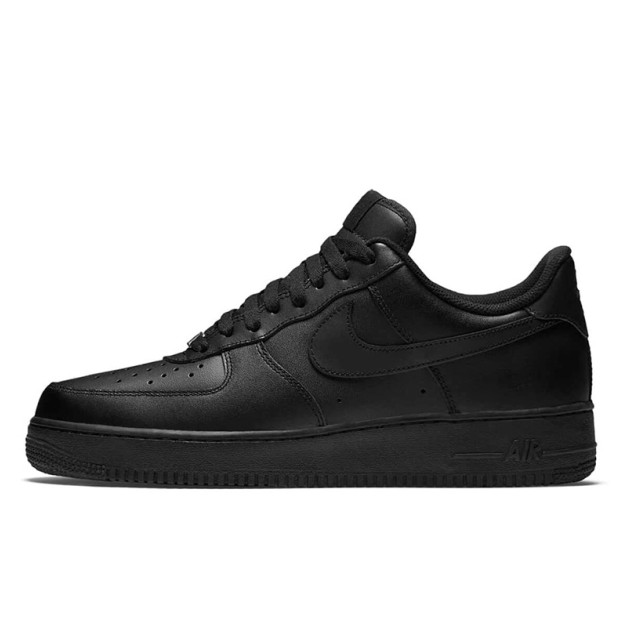
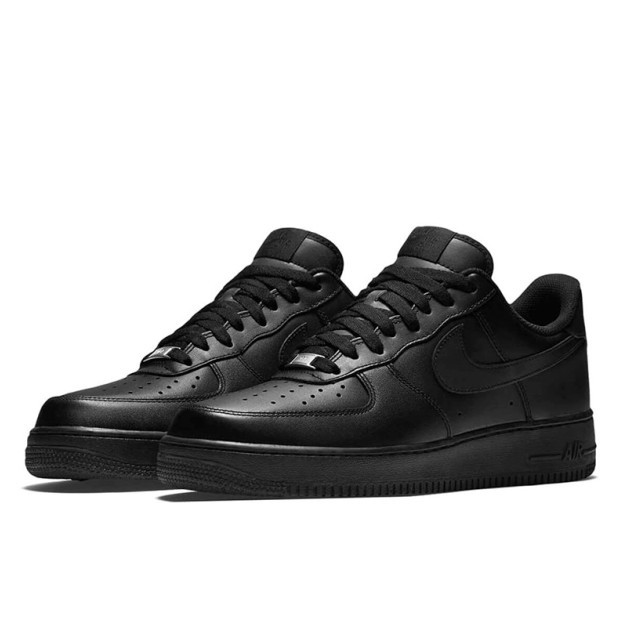
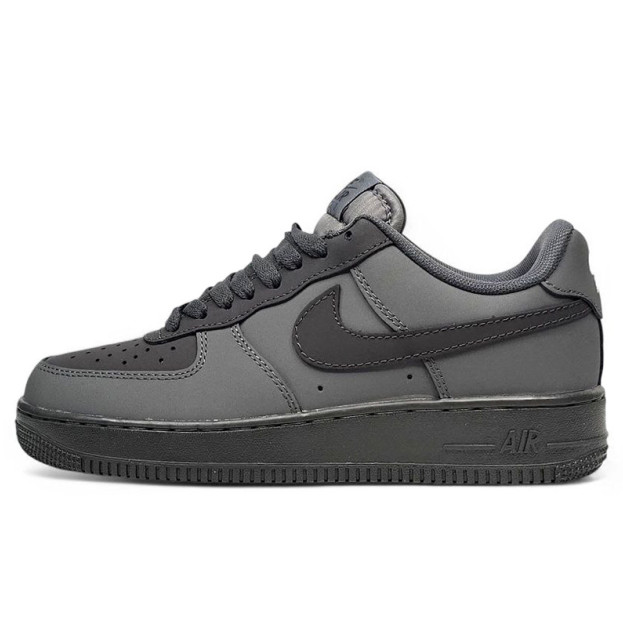
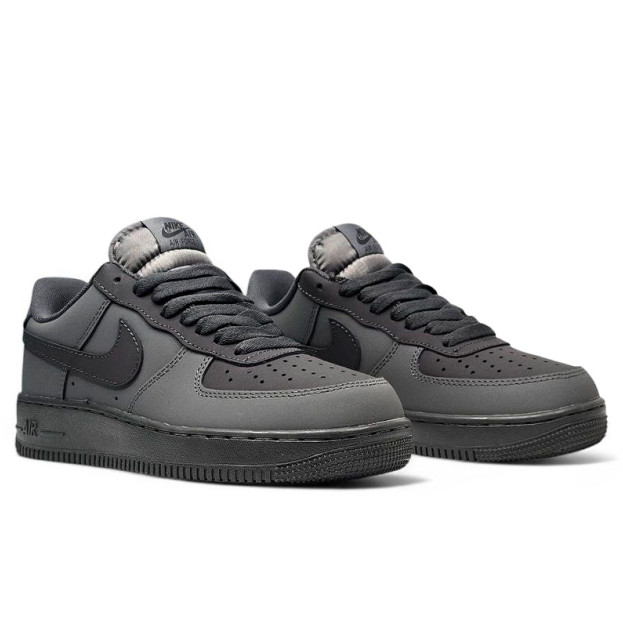
The Nike Air Force 1 began as a basketball sneaker but quickly became an urban standard. It features simple geometry, a thick leather upper, and a wide sole, which adds visual bulk and ensures a stable silhouette. Key features that have kept the Air Force 1 at the top of the fashion game for decades include:
- classic low profile that can be easily paired with any trousers;
- a rigid heel and a dense last, providing confident stability when walking;
- a pronounced sole with Air cushioning that smooths out impact loads;
- a minimalist upper without unnecessary details, suitable for clean, basic looks;
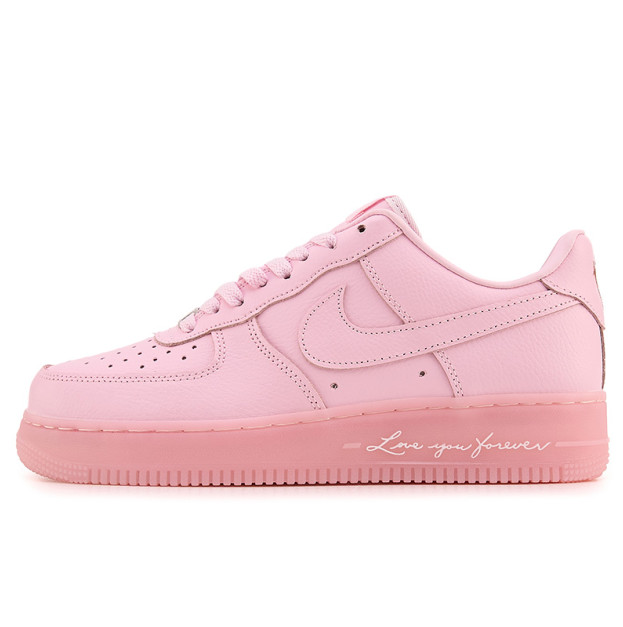
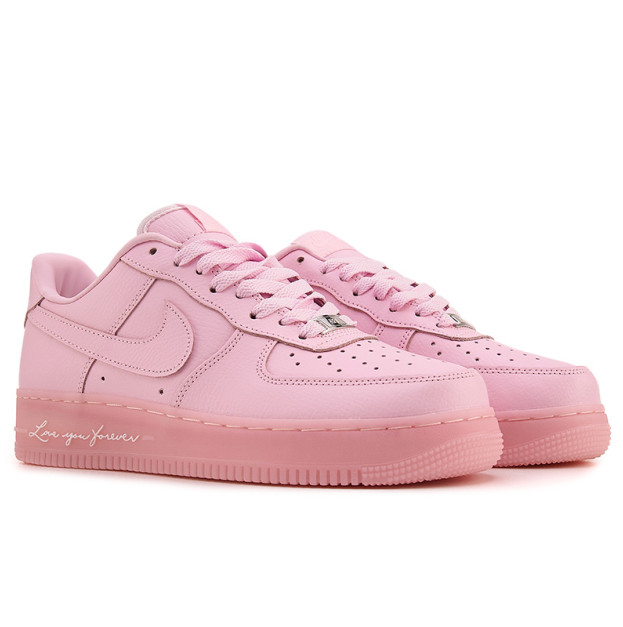
- a large variety of colors, from completely white to contrasting ones.
Air Force 1s are often chosen as an "everyday pair" because they tolerate active wear, don't clash with clothing, and look good even with the most relaxed looks.
Nike Air Force 1 Hits
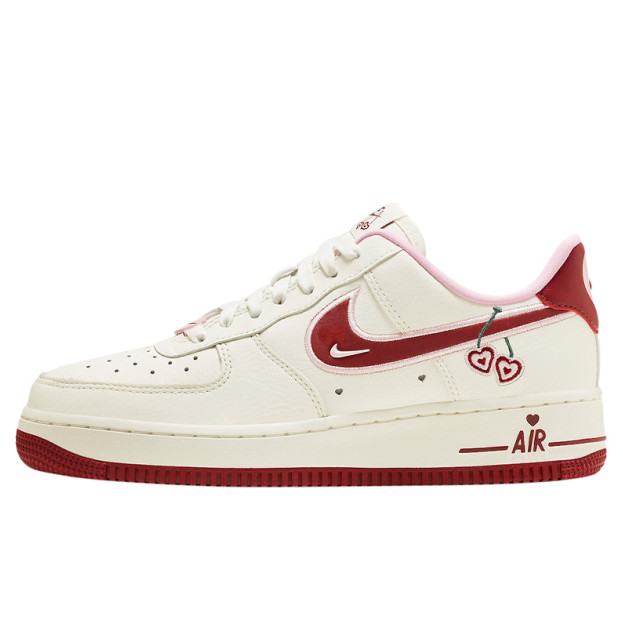
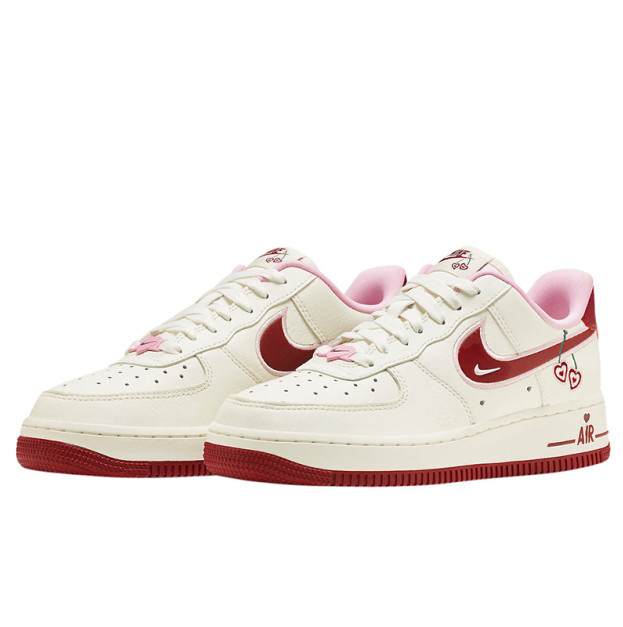
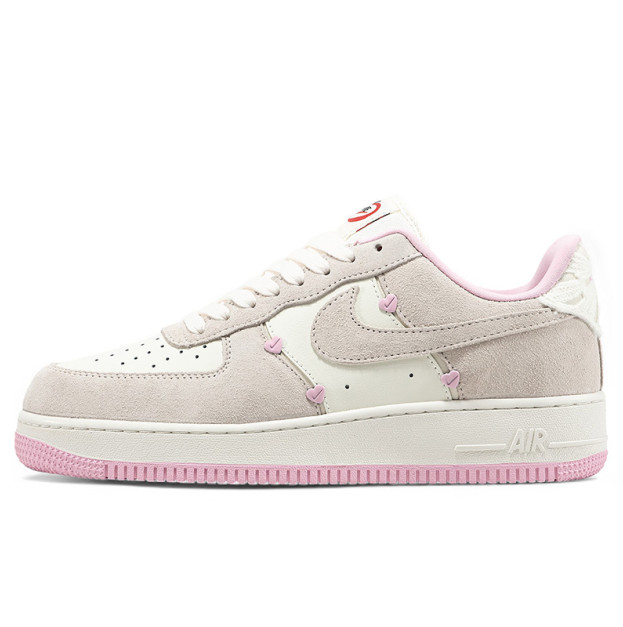
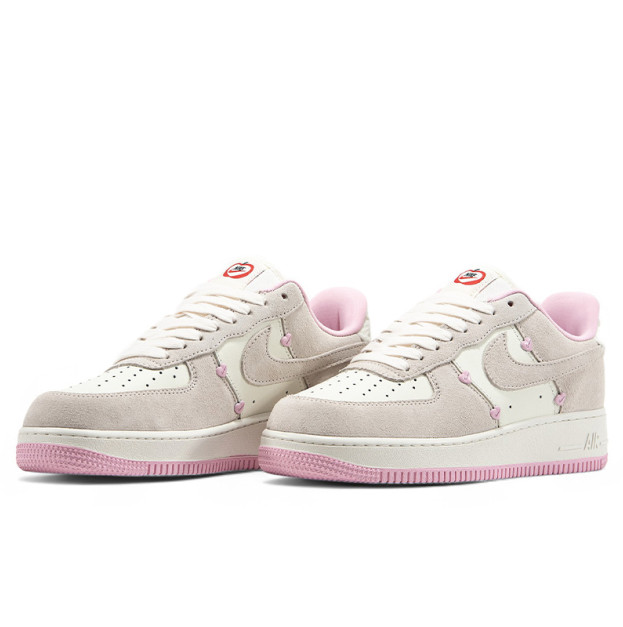
Air Jordan 1: A Legend Built on History and Details
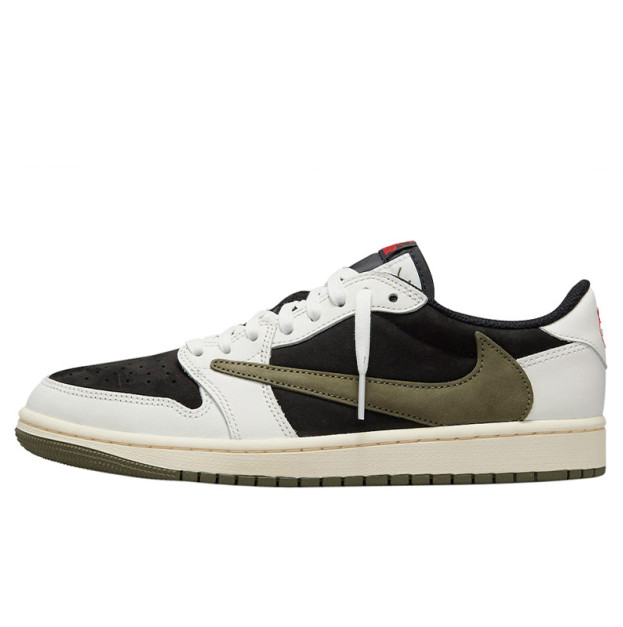
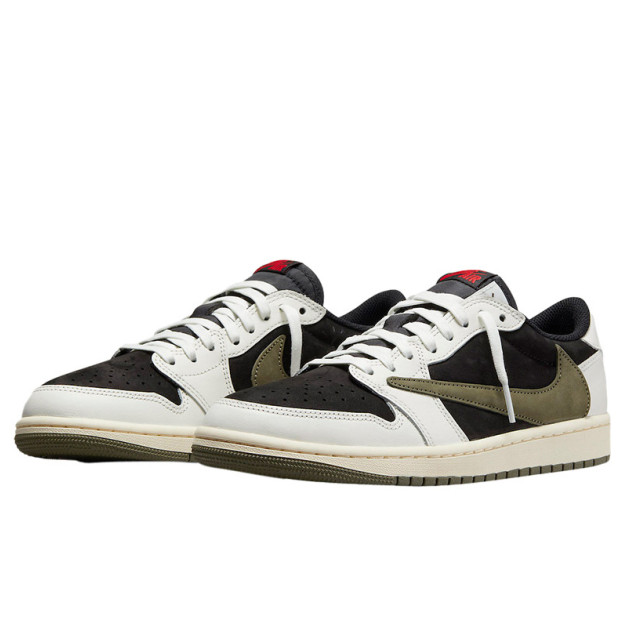
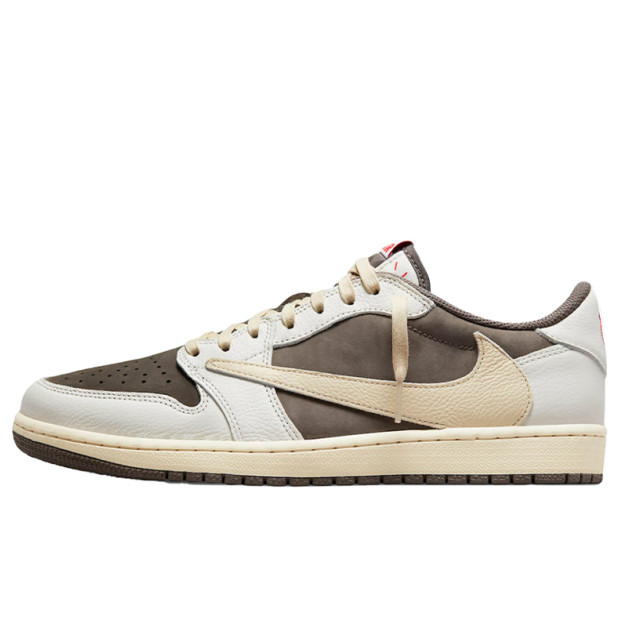
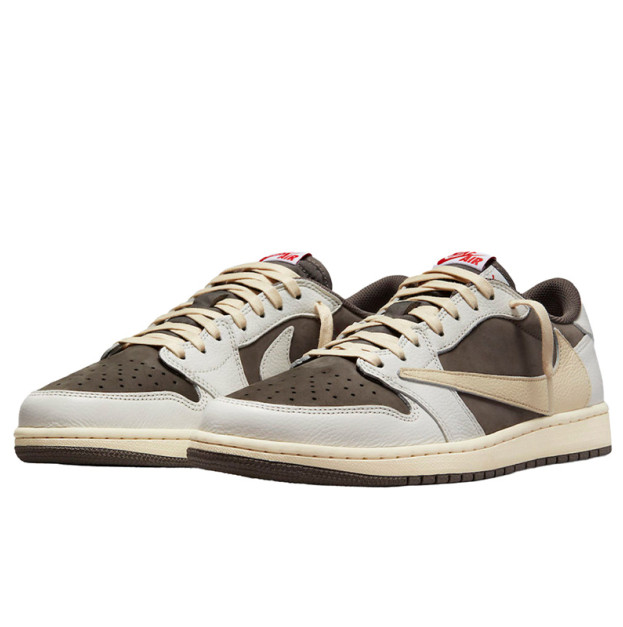
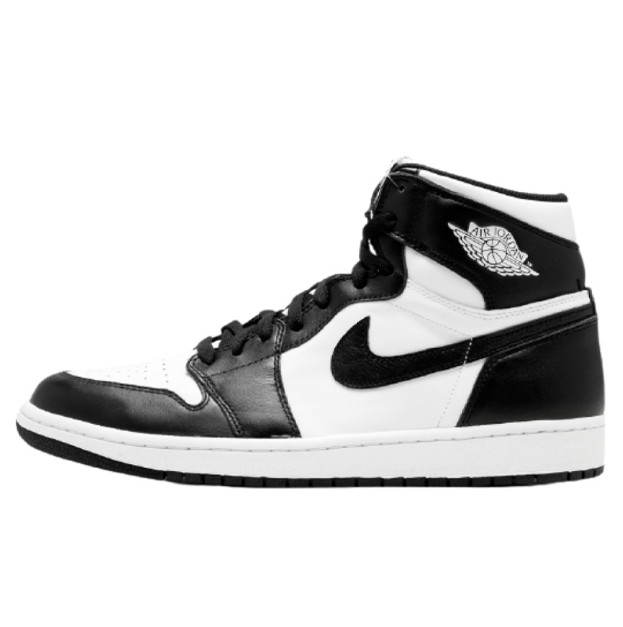
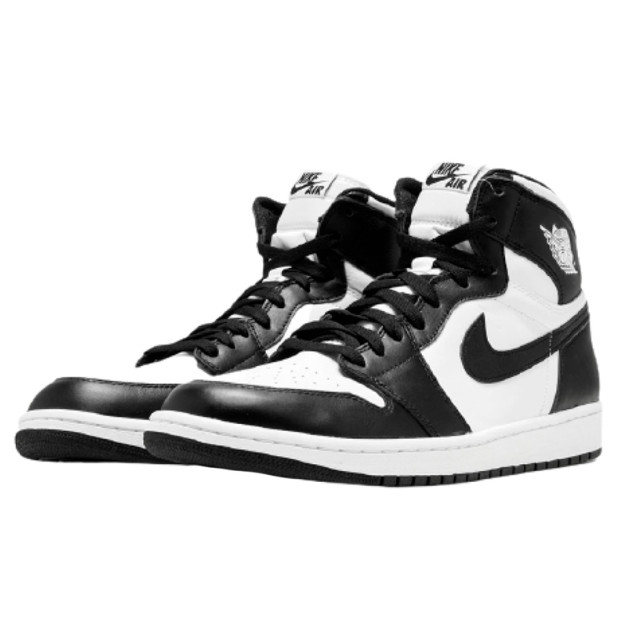
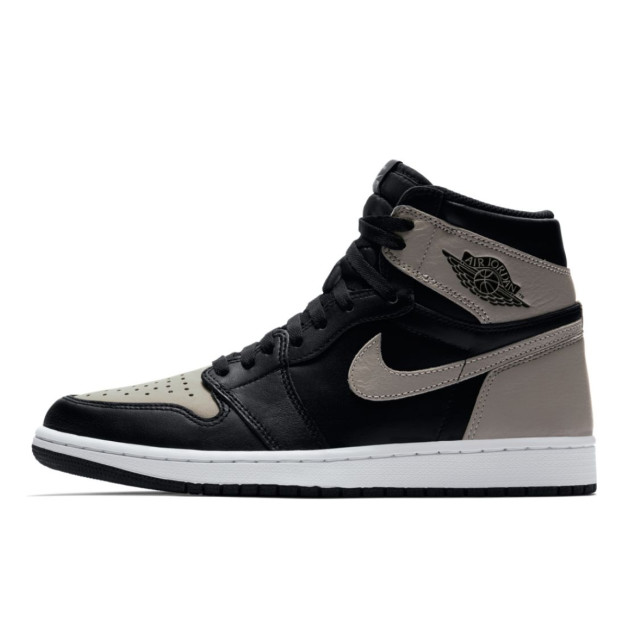
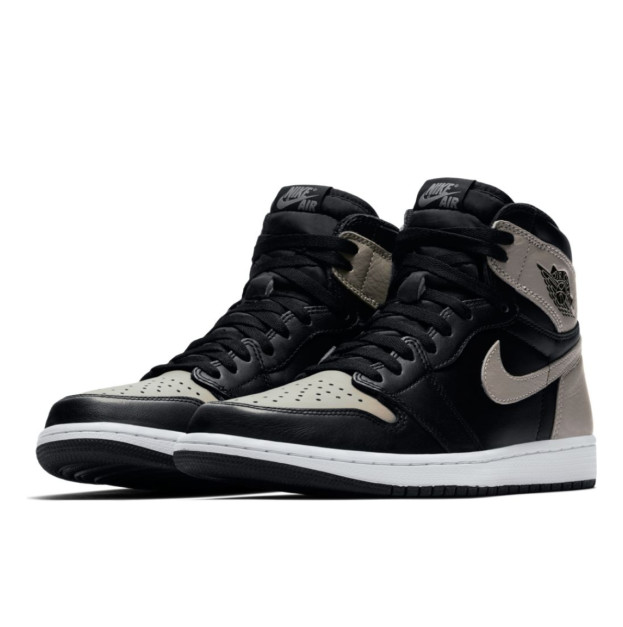
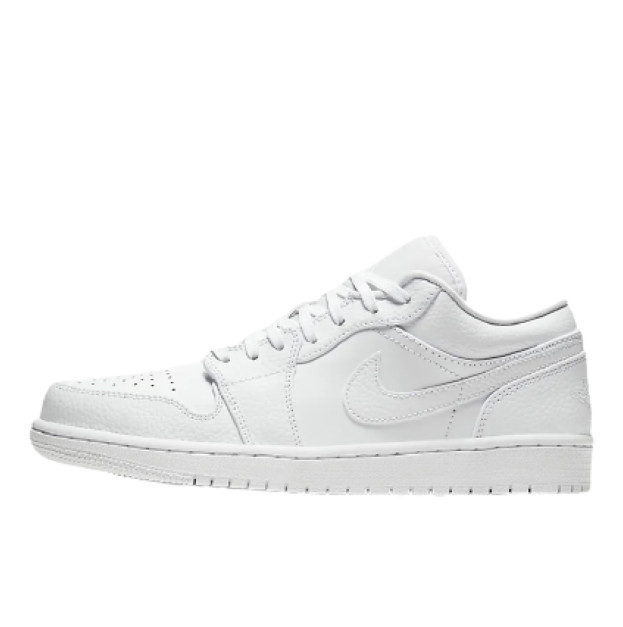
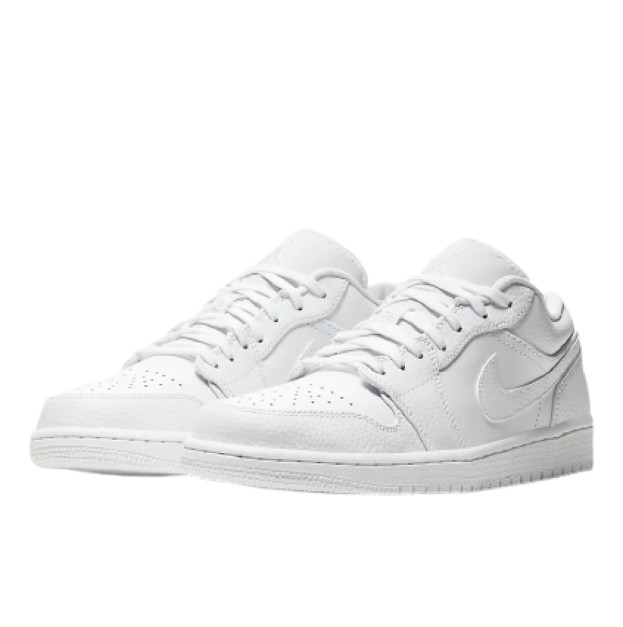
The Air Jordan 1 began as a basketball silhouette associated with Michael Jordan's first contract. Today, it's not just a model, but an entire platform with different versions and personalities. The Jordan 1 is immediately recognizable by its high topline, paneled construction, and tight lacing. Key features that distinguish the Jordan 1 from most Nike classics include:
- pronounced paneling of the top, creating a more complex and textured look;
- high ankle support in High versions and balance in Mid versions;
- The iconic silhouette features the Wing Logo and signature toe line;
- focus on style and collectibility, especially in limited releases;
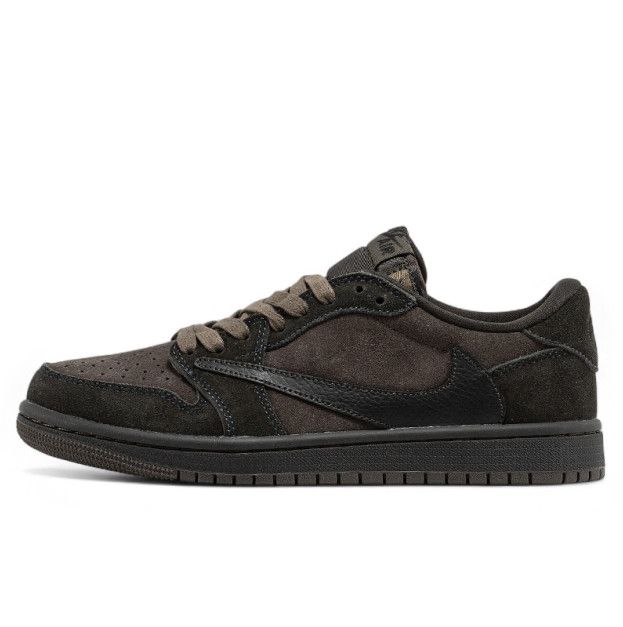
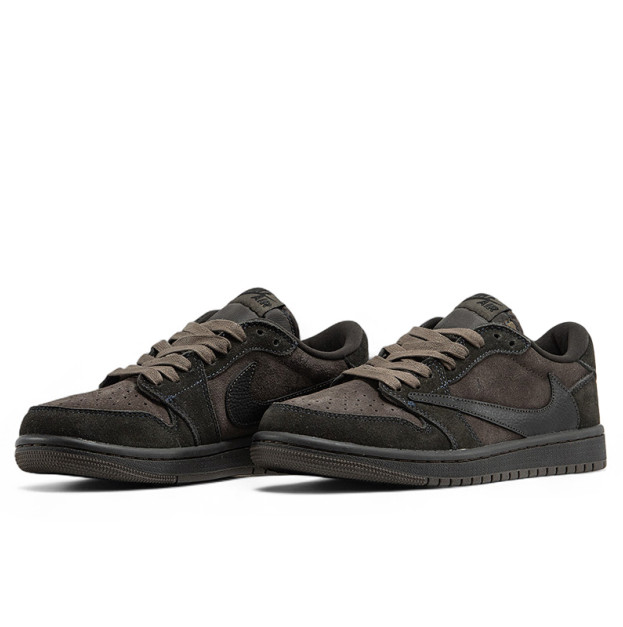
- a variety of materials, from smooth leather to suede and nubuck.
Jordan 1s are usually chosen when you want more than just a base shoe, but an accent to your look: they immediately attract attention and set the tone for the entire outfit.
Current Air Jordan 1
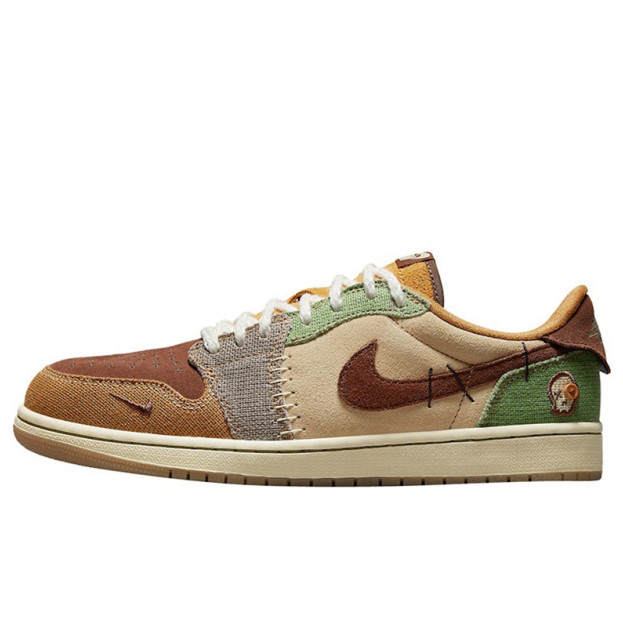
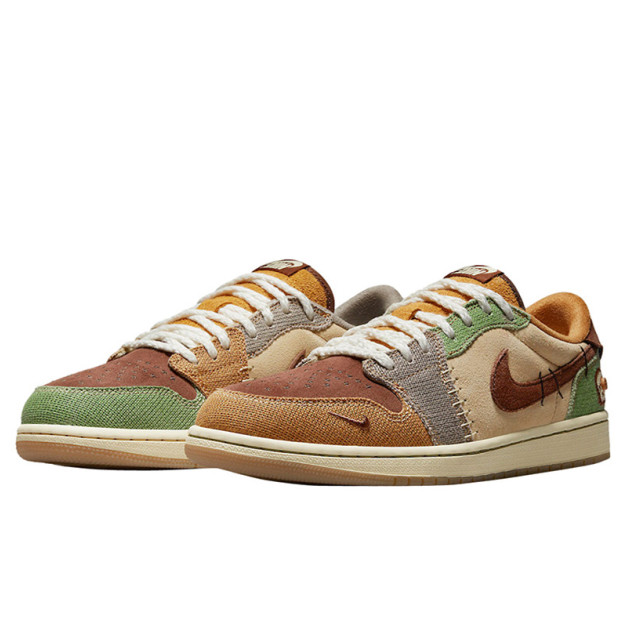
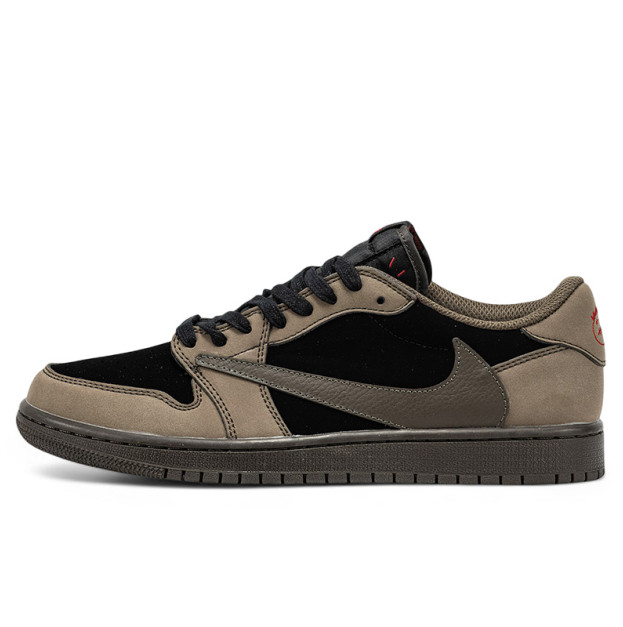
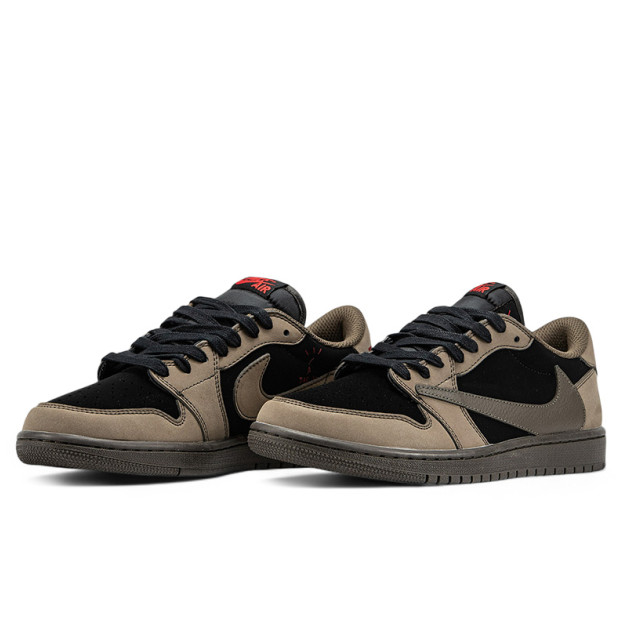
Air Force 1 vs. Jordan 1 Design and Visual Comparison
These models have different architectures: the Air Force 1 is built on a clean shape and a chunky midsole, while the Jordan 1 relies on layering and a distinctive "high-top." For a clear comparison, look at the key elements:
| Element | Nike Air Force 1 | Air Jordan 1 |
| Silhouette | Low, rounded, calm | Tall or medium, more angular |
| Top | Solid, with a minimum of lines | Panel, with many seams and overlays |
| Sole | Thick, visually massive | Flatter and more "classic" |
| Accents | Discreet, basic | Wings logo and contrasting blocks |
| Image | Clean base, minimalism | History and character, expressed street style |
If you're looking for a neutral base for your wardrobe, Air Force 1s blend more easily into your look. If you want sneakers to be the focal point, Jordan 1s provide more visual tension and depth.
Softness and practicality vs. support and fit
The Air Force 1 feels denser and heavier due to its thick sole and rigid shape. When walking, they provide a stable, comfortable feel: the foot is wide, the roll is smooth, and the heel is firmly locked in. This design appeals to those who spend a lot of time on their feet and want predictable stability. At the same time, the Air Force 1's generous last often makes it more comfortable for medium and wide feet, and the leather upper adapts to the shape of the foot over time.
The Air Jordan 1 feels more composed and athletic. The paneled upper and high lacing provide better foot control, especially on the High version, but the fit could be tighter in the forefoot. The cushioning here feels lighter, but there's a sense of support and structure: the shoe holds its shape, doesn't fall apart, and works well when lockdown is important. The Jordan 1 is often chosen by those who appreciate a snug fit and a distinctive silhouette, not just a soft ride.
Material and Construction Comparison: What's the Difference Between the Air Force 1 and the Jordan 1?
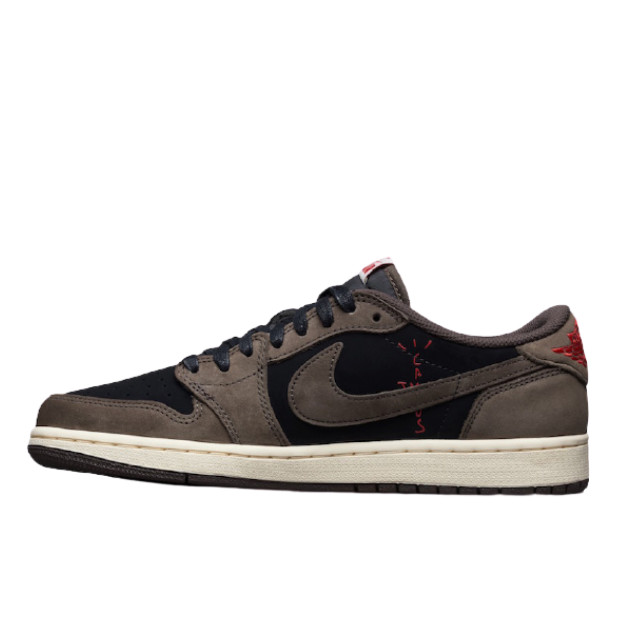
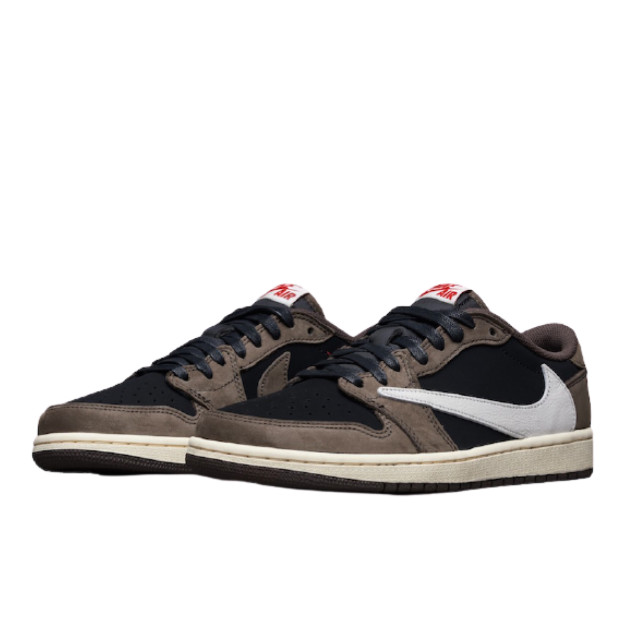
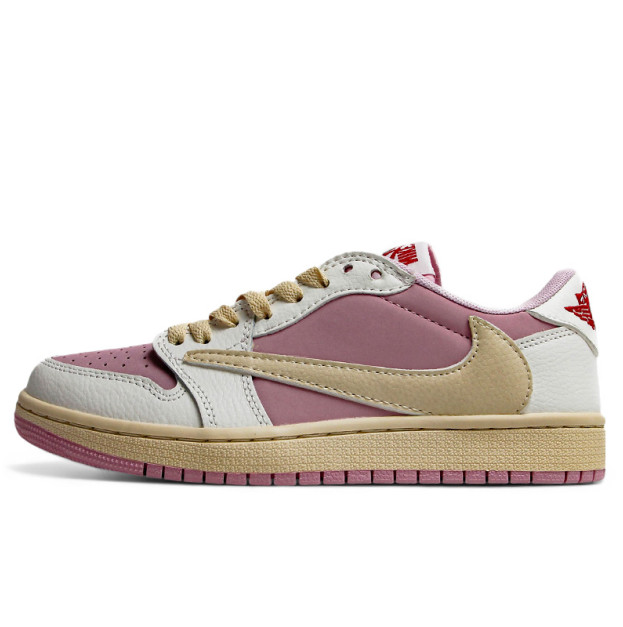
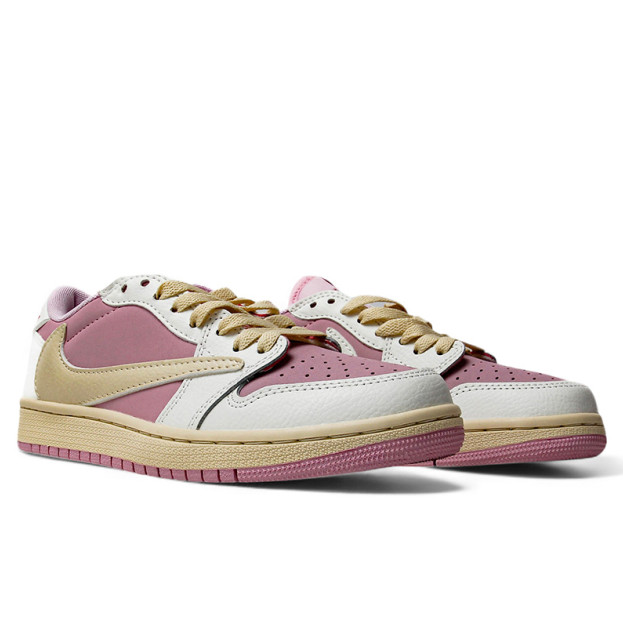
Although both models belong to the same brand, their approach to materials differs. Air Force 1s often rely on thick leather and practicality, as they were designed as versatile everyday shoes. Jordan 1s are more release-specific: you can find everything from crisp smooth leather to soft suede, nubuck, or a combination of both. Below is a quick guide to choosing from.
Air Force 1 and Jordan 1 Collection
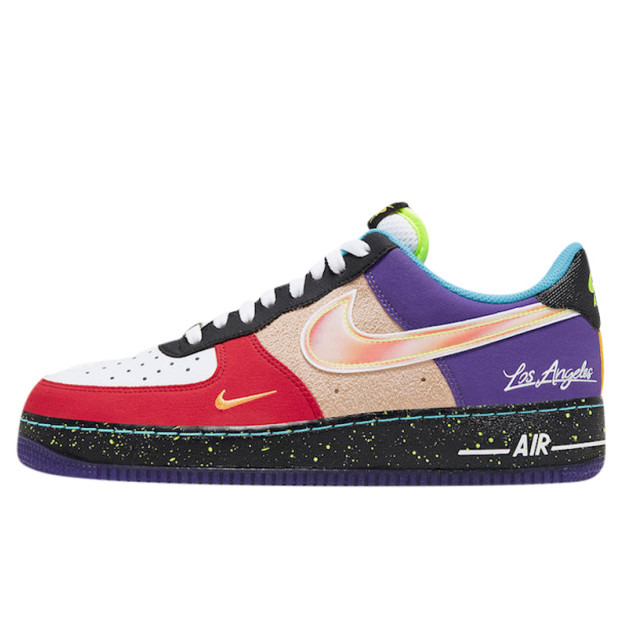
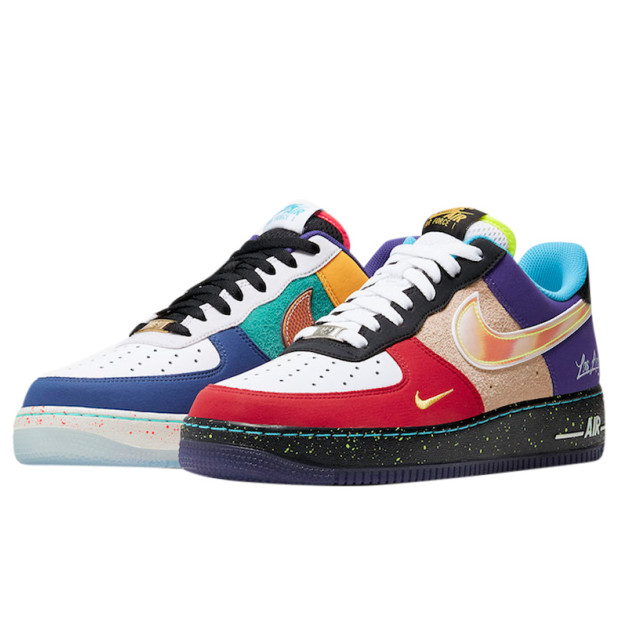
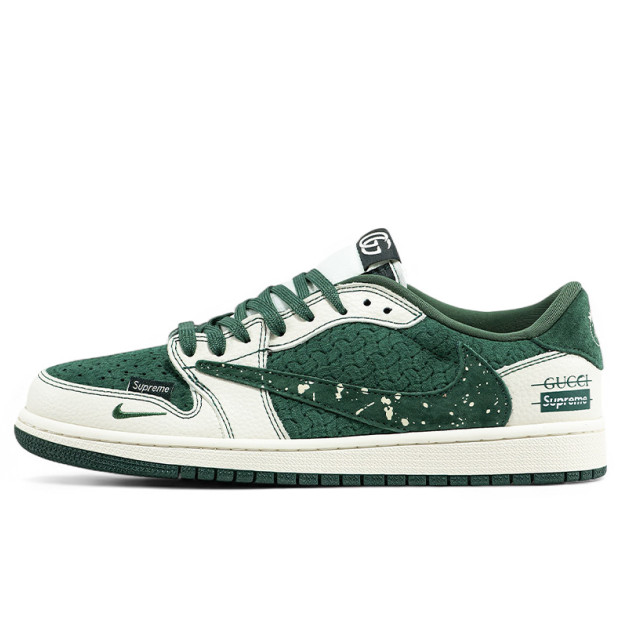
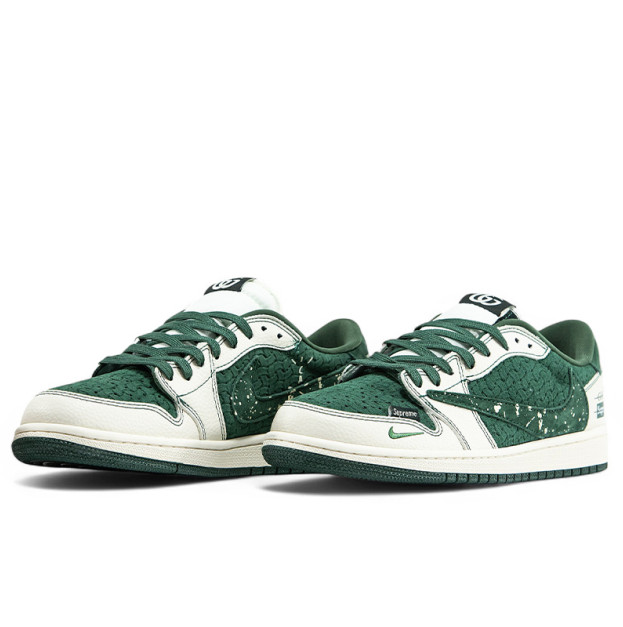
Materials and quality of workmanship
Before comparing the specs in the chart, it's important to remember that Jordan 1s can vary significantly in quality from release to release, while Air Force 1s tend to feature more predictable, everyday-wear "performance" leather.
| Characteristic | Nike Air Force 1 | Air Jordan 1 |
| Basic materials | Thick leather, less often textiles | Leather, suede, nubuck, combined panels |
| Upper construction | More seamless, fewer seams | Multi-layered, with many overlays and stitching |
| Ventilation | Perforation on the toe, generally moderate | Depends on the version and materials, usually average |
| Wear resistance | Good for everyday wear | Depends on the material, suede requires care |
| Care | Easier to clean, less risk of stains | May require delicate care and impregnation |
The Air Force 1 feels more like a "utility tool" than the Jordan 1, which is a style statement where material and color blocking are just as important as comfort.
Nike Air Force 1 and Air Jordan 1 collaborations and iconic versions
Both lines have long been a part of fashion and culture: releases are not only inspired by sport, but also by history, design, and limited editions. Collaborations add individuality to pairs and often challenge the traditional notion of silhouette.
The Air Force 1 is particularly notable for the following areas:
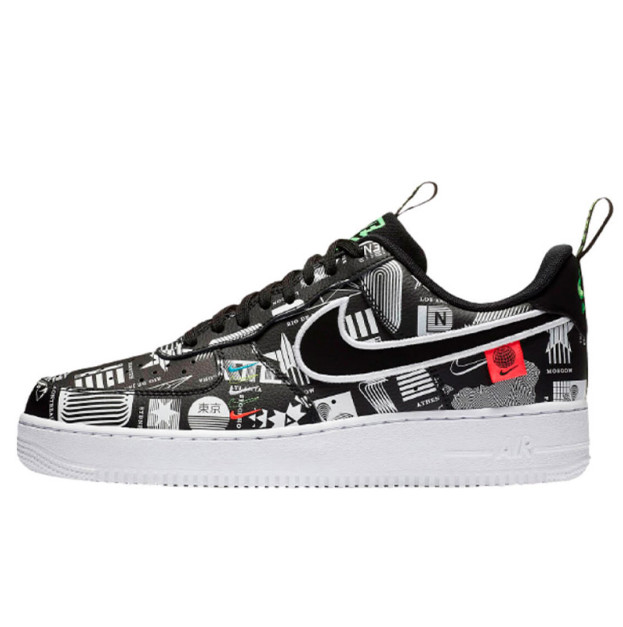
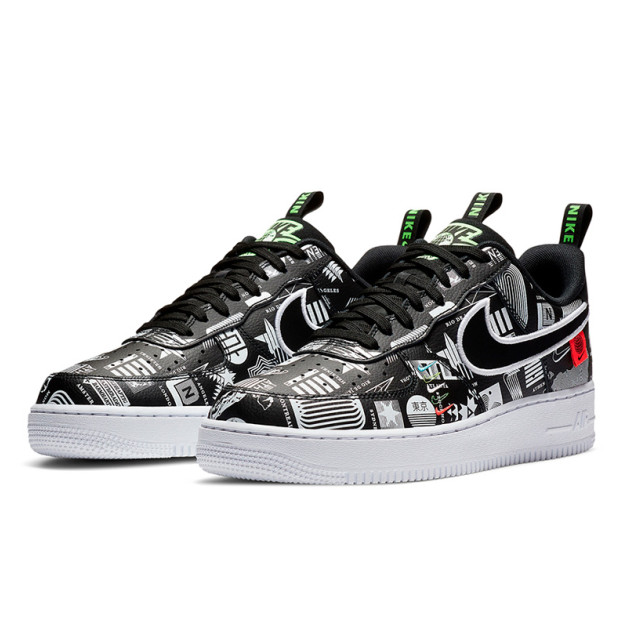
- versions with non-standard materials and textures, where the basic top turns into an accent;
- collaborations with fashion houses and streetwear brands that reinterpret the minimalism of the model;
- capsules dedicated to music and street culture, where purity of form and detail are essential.
The Air Jordan 1 often focuses on collectibility and color stories:
- releases with bold blocking and nods to archival colorways;
- joint projects with designers and artists, where the traditional geometry of panels is changed;
- Limited editions with rare materials, prized for their uniqueness and atmosphere.
If you're choosing a pair not just for walking but also as an element of your look, it's worth looking at the specific release: it determines the material, how it feels to wear, and how "quiet" or noticeable the model will be.
What to wear with Nike Air Force 1
Air Force 1s pair seamlessly with a basic wardrobe: straight-leg jeans, cargo shorts, shorts, and relaxed tracksuits. The clean upper pairs well with solid-colored pieces and minimalist jackets, while the chunky sole balances out the wide legs. For a clean, urban look, choose light and monochrome colors, while pairs with colorful details provide contrast.
Air Force 1 Outfit Ideas


What to wear with the Air Jordan 1
Jordan 1s shine when character is needed: layered looks, oversized pieces, loose trousers, bomber jackets, denim, and vintage elements. The high top adds verticality and looks great with cropped legs or a cuff to highlight the silhouette. Color blocking is important: if the pair is contrasting, the rest of the outfit can be more subdued to avoid overpowering the look.
Stylish Air Jordan 1 Variations


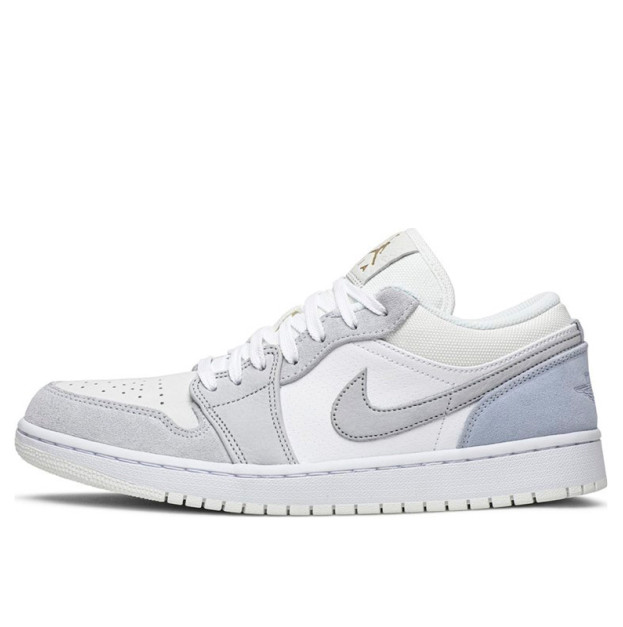
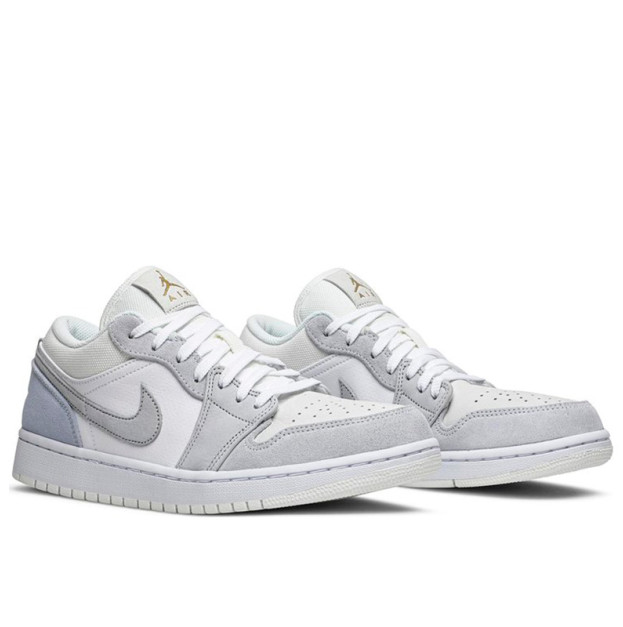
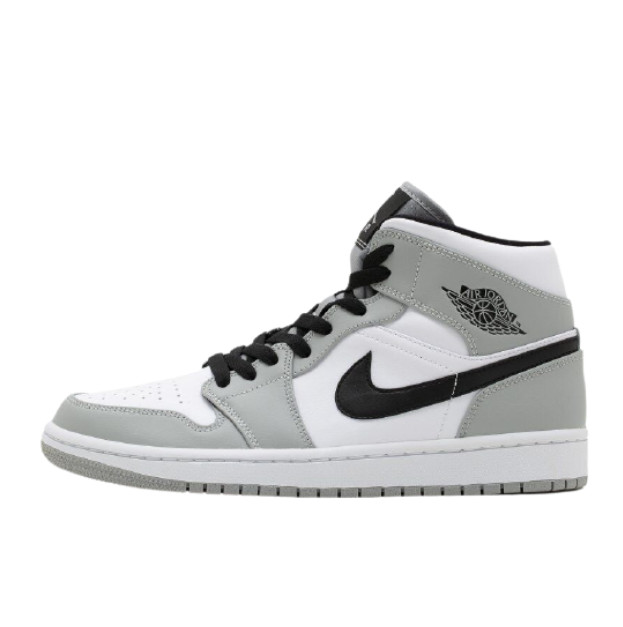
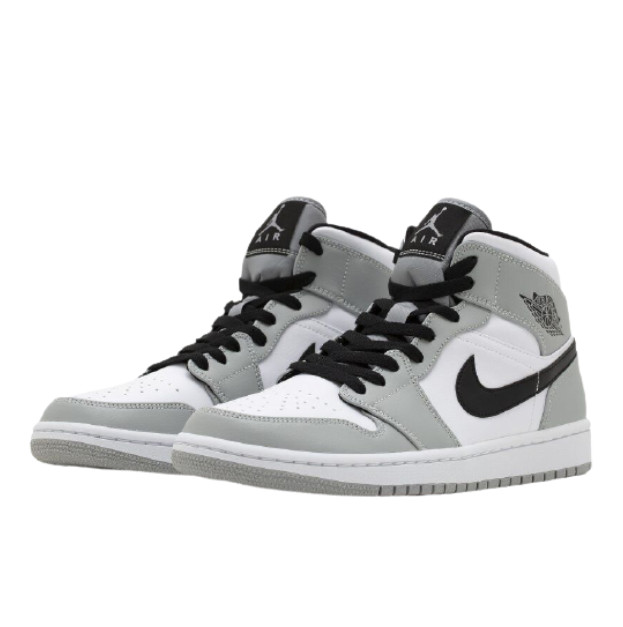
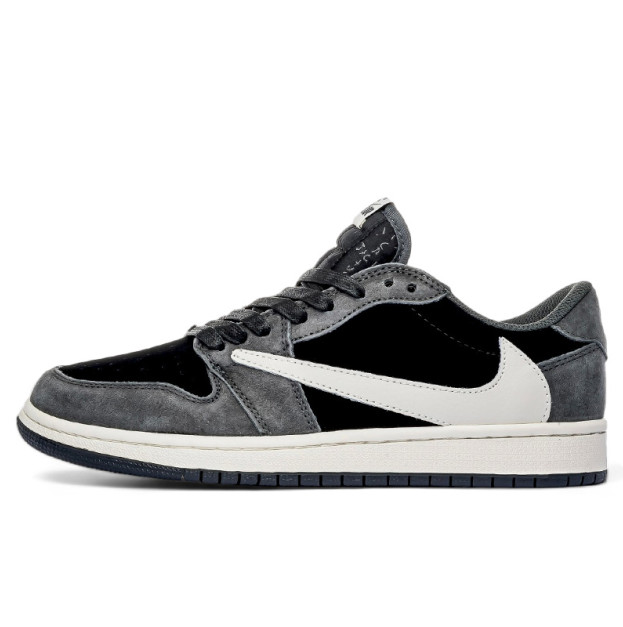
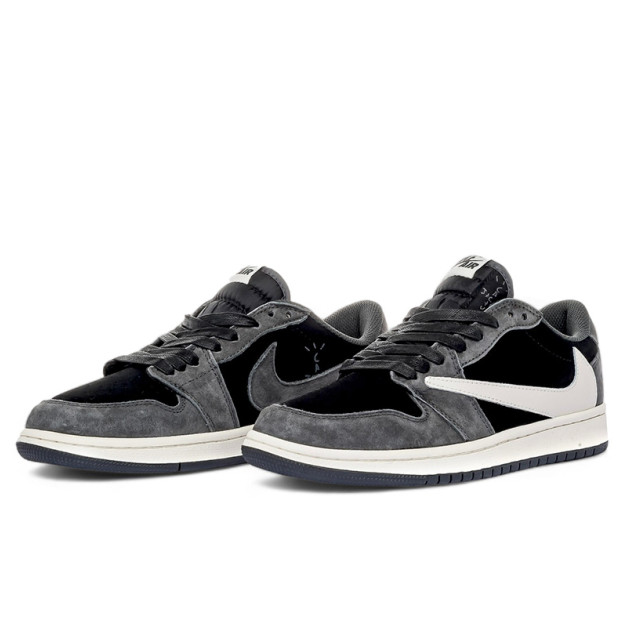
Interesting versions of the Air Force 1 and Jordan 1 for collection and everyday wear
Both lines feature pairs that are considered first-class classics, and models that boast rare materials or bold colors. When choosing, consider the intended use: for everyday wear, subdued materials and neutral colors are more practical, while for a statement, consider contrasting panels, unusual textures, and limited editions.
How to choose the Air Force 1 vs. Jordan 1 for your needs
If you're looking for a versatile pair that can easily be paired with most outfits and withstand a busy day, consider the Nike Air Force 1: the chunky sole, thick leather, and minimalist design help create a neat look without the hassle of complicated pairings.
If history, a high rise, and distinctive paneling are more important, it's more logical to look toward the Air Jordan 1. This model has a stronger influence on the style of the kit and offers more options in terms of materials and release style.
Compare the fit to your foot, consider the season and material care, and then choose the pair that matches your rhythm and how you want to look every day.